
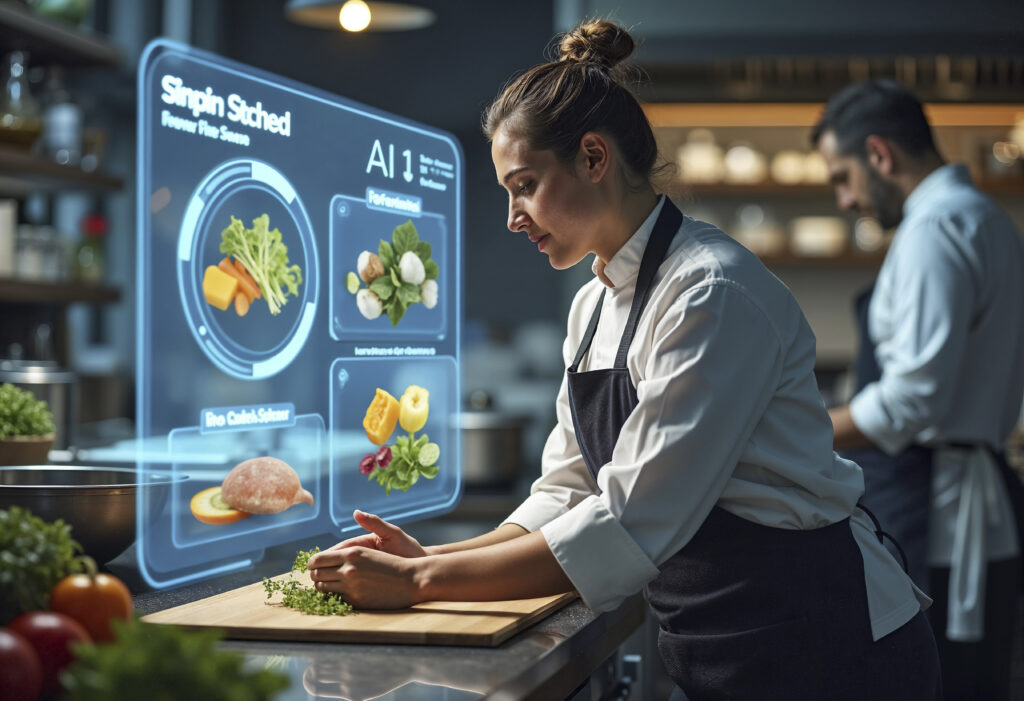
The idea of food as medicine is gaining strong momentum in 2026. People increasingly view daily meals as powerful tools for preventing disease, managing chronic conditions, and supporting overall wellness. With gut health at the center of immunity, mood, digestion, and even metabolic function, optimizing the microbiome through targeted nutrition has become a priority for many.
IoT devices are making this approach more precise and practical. Connected wearables, ingestible sensors, and smart tools provide real-time data on how food affects the body. This enables personalized adjustments that go beyond generic diet advice, helping users achieve better gut balance and long-term health benefits.
Why Gut Health Drives the Food as Medicine Movement
The gut microbiome influences far more than digestion. A diverse, balanced microbial community supports immune responses, reduces inflammation, regulates mood through the gut-brain axis, and aids nutrient absorption. Poor gut health links to issues like obesity, diabetes, autoimmune conditions, and mental health challenges.
In 2026, the digestive health market continues to expand rapidly, driven by consumer awareness and scientific advances. Trends like fibermaxxing and next-gen biotics highlight growing interest in microbiome-friendly eating. Food as medicine programs emphasize whole foods, fiber-rich choices, fermented items, and personalized plans to nurture beneficial bacteria while reducing harmful ones.
IoT technology bridges the gap between intention and action by delivering actionable insights from daily habits.
Key IoT Devices for Gut and Nutrition Optimization
Several IoT innovations stand out for supporting food as medicine goals.
Ingestible smart sensors represent a breakthrough. These small, swallowable capsules travel through the gastrointestinal tract, capturing data on pH levels, motility, inflammation markers, and gas production. They offer direct views into gut function that traditional tests miss. As the technology advances, these sensors enable precise dietary tweaks based on real digestive responses.
Wearables provide continuous monitoring of related biomarkers. Devices track sleep quality, heart rate variability, activity, and stress indicators, all of which connect to gut health. Disruptions in these areas often signal microbiome imbalances. Some advanced wearables incorporate biosensors for indirect gut insights, such as inflammation or metabolic shifts, helping users correlate diet with overall wellness.
Continuous glucose monitors, while primarily for blood sugar, reveal how different foods impact metabolic responses. Since gut microbes influence glucose handling, CGM data helps identify microbiome-friendly choices that stabilize energy and reduce inflammation.
Smart kitchen appliances and apps integrate with IoT ecosystems to log food intake automatically. They analyze nutritional content, suggest microbiome-supporting meals, and track patterns over time. Combined with AI, these tools generate personalized recommendations tailored to individual responses.
Platforms like those offering microbiome sequencing pair with IoT data for deeper personalization. Users receive diet plans adjusted for their unique microbial profile, with ongoing monitoring to refine suggestions.
Benefits for Chronic Care and Wellness
IoT-driven approaches enhance food as medicine in meaningful ways. Patients with chronic conditions gain better control through data-informed eating. For example, adjusting fiber intake based on real-time gut motility feedback can ease symptoms in irritable bowel syndrome or inflammatory bowel disease.
Preventive wellness seekers use these tools to maintain optimal gut diversity, supporting immunity and longevity. Real-time alerts prompt timely changes, such as increasing fermented foods when diversity dips.
Clinicians benefit too. Integrated data from IoT devices informs virtual consultations, allowing more accurate advice and progress tracking without frequent lab tests.
Practical Steps to Get Started
Begin with accessible IoT options like wearables that sync with nutrition apps. Log meals and monitor how choices affect energy, sleep, and mood. Gradually incorporate advanced sensors for detailed gut insights.
Focus on microbiome-nourishing foods: diverse plants, prebiotic fibers, probiotics from yogurt or kimchi, and polyphenol-rich items like berries. Use device feedback to experiment and refine.
Privacy and accuracy matter. Choose compliant devices and platforms that protect health data.
How Doccure Enhances IoT for Gut Health
Doccure integrates seamlessly with IoT monitoring in its telemedicine platform. Clinicians can review wearable data, CGM readings, and other connected metrics during secure virtual sessions. This supports personalized nutrition plans as part of chronic care or wellness programs.
White-label patient apps keep users engaged with branded dashboards, reminders, and progress visuals. ABDM compliance ensures smooth data sharing in India, while remote monitoring add-ons facilitate proactive gut health management.
In 2026, food as medicine powered by IoT offers a proactive path to better health. These connected tools make nutrition optimization practical, personalized, and effective.
If you want to incorporate IoT insights into patient care or personal wellness, Doccure provides the secure telemedicine foundation to make it happen. Explore its features to support gut health and nutrition goals today.