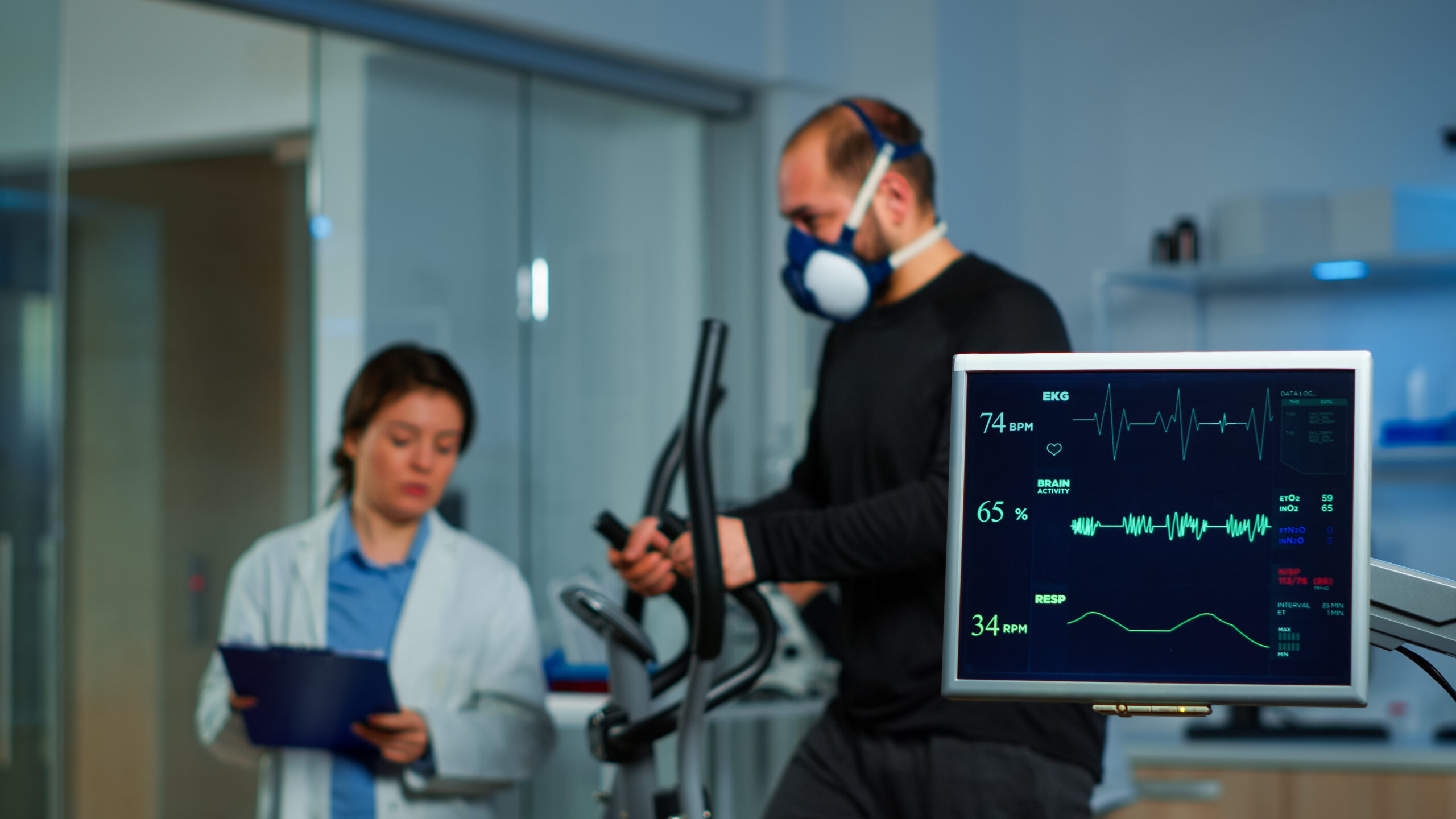
Cardiology Telemedicine: Remote Heart Monitoring Trends and Tools 2026
Cardiology has embraced telemedicine faster than most specialties. By 2026, remote heart monitoring and virtual consultations are standard for managing hypertension, arrhythmias, heart failure, and post-procedure follow-ups. Patients avoid unnecessary travel while cardiologists receive continuous, real-time data instead of occasional snapshots.
The shift is driven by maturing technology, better reimbursement, and proven outcomes. Remote monitoring reduces hospital readmissions by up to 50 percent in heart failure patients and catches silent atrial fibrillation earlier. AI now processes massive data streams to deliver predictive alerts, moving care from reactive to truly preventive.
Key Trends Shaping Cardiology Telemedicine in 2026
Several developments define the landscape this year.
Continuous ECG evolves beyond 14-day patches. Implantable loop recorders and adhesive sensors provide months of data, while consumer wearables like Apple Watch and dedicated cardiac patches feed clinical-grade insights into telehealth platforms.
AI predictive analytics lead the charge. Algorithms forecast heart failure decompensation days ahead by analyzing weight, activity, HRV, and subtle rhythm changes. Similar models predict arrhythmia burden or stroke risk from AF episodes.
Hospital-at-home programs expand dramatically. High-risk patients discharge earlier with wearable biosensors and daily virtual rounds, supported by AI triage that escalates only true deteriorations.
Hybrid cardiology clinics become default. Initial diagnostics and procedures remain in-person, but 70 to 80 percent of follow-ups shift to virtual, with data reviewed before each call.
Global interoperability improves. In India, ABDM integration allows seamless flow of cardiac data between devices, telehealth platforms, and national records.
Top Tools for Remote Heart Monitoring
Leading solutions in 2026 combine accuracy, ease of use, and telehealth integration.
- Biofourmis remains the gold standard for hospital-at-home and heart failure monitoring. Its AI predicts events with high sensitivity and integrates directly into clinician workflows.
- Medtronic CareLink with Guardian sensors and LINQ II insertable monitors offers comprehensive arrhythmia and failure management with strong predictive features.
- AliveCor KardiaMobile 6L and Apple Watch ECG continue as accessible entry points, now with deeper AI for AF detection and burden calculation.
- Preventice BodyGuardian and BardyDx CAM patches provide extended monitoring with excellent signal quality and AI noise reduction.
- iRhythm Zio XT patch dominates 14-day continuous monitoring with improved AI for earlier arrhythmia detection.
- Current Health (Best Buy Health) kit combines multiple vitals for holistic cardiac oversight.
Consumer devices like Garmin, Fitbit Sense 2, and Samsung Galaxy Watch also contribute meaningful data when paired with clinical platforms.
How Cardiologists Benefit from These Trends
Virtual cardiology saves time while improving care quality. Pre-visit data review means consultations focus on decisions rather than history-taking. AI reduces alert fatigue by prioritizing actionable events. Practices expand reach to rural patients or second opinions globally.
Patients appreciate fewer trips, faster responses to changes, and empowerment through their own data dashboards.
Building an Effective Cardiology Telemedicine Practice
Start with platforms that handle cardiac-specific workflows: ECG review tools, device integration APIs, and AI alert management. Ensure ABDM compliance in India for seamless record sharing. Train staff on hybrid scheduling and patient education for wearables.
Doccure: Tailored for Modern Cardiology Telemedicine
Doccure supports cardiology practices with secure video consultations, direct wearable integration, and AI-enhanced remote monitoring. Cardiologists review ECG strips, trends, and alerts during virtual visits.
The white-label patient app gives cardiac patients branded access to their data, appointment booking, and secure messaging. Multi-branch synchronization ensures consistent care across locations. Remote monitoring add-ons pull in data from popular cardiac devices for real-time review.
In 2026, cardiology telemedicine with advanced remote heart monitoring delivers better outcomes, higher patient satisfaction, and efficient practice growth.
Ready to bring cutting-edge cardiac telehealth to your patients? Doccure provides the secure, cardiology-friendly platform to make it happen. Explore its features and see how seamless remote heart monitoring can transform your practice today.

Chat with Doccure
Talk to our team on WhatsApp
Hi there 👋 Questions about demos, pricing, white-label or a custom build? Pick a topic and we'll continue on WhatsApp.
What can we help with?