
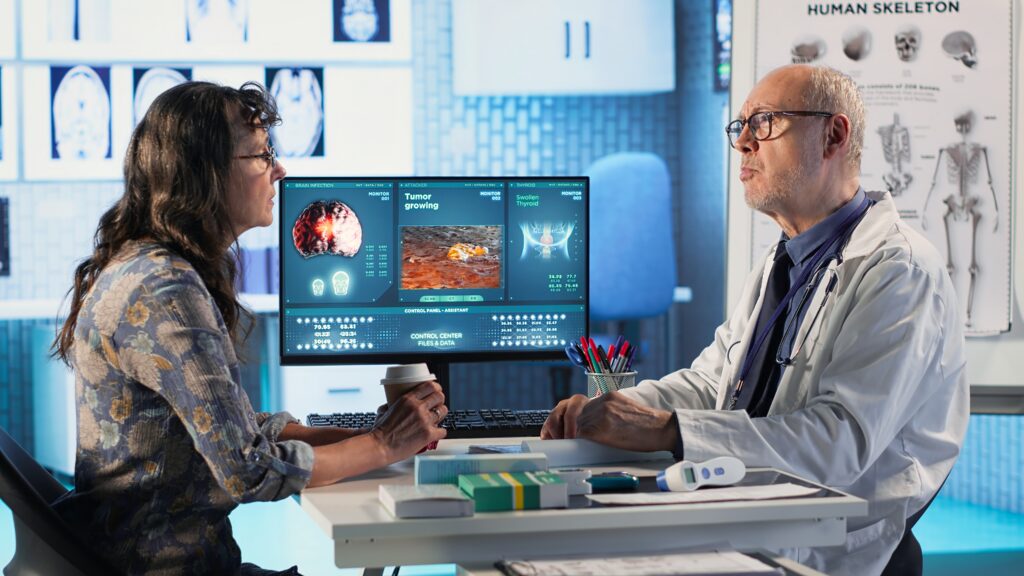
Remote patient monitoring has changed how doctors manage chronic conditions and post-hospital care. In 2026, AI takes this further by adding predictive insights, real-time alerts, and personalized recommendations. Clinicians use these tools to spot issues early, while patients benefit from wearables that track vitals without constant clinic visits.
AI analyzes data from smartwatches, sensors, and home devices to predict risks like heart events or glucose spikes. This shift from reactive to proactive care reduces hospital readmissions and improves outcomes. With wearables now mainstream and predictive analytics advancing quickly, RPM platforms powered by AI help practices stay efficient and compliant.
Here are the top 10 AI tools leading remote patient monitoring in 2026, based on features, adoption, and impact for clinicians and patients.
1. Biofourmis
Biofourmis uses AI to process data from wearables and biosensors for continuous monitoring. It predicts health deteriorations in conditions like heart failure and diabetes. The platform sends alerts to care teams and offers personalized interventions. Many hospitals rely on it for hospital-at-home programs.
2. Current Health (Best Buy Health)
This tool integrates AI with wearables for real-time vital tracking. Predictive models flag early risks, supporting chronic care and post-acute recovery. It combines device data with patient history for accurate forecasts, making it popular for scalable RPM.
3. Binah.ai
Binah.ai stands out with contactless monitoring using smartphone cameras for vital signs like heart rate and blood pressure. AI algorithms deliver instant readings and trend analysis. Ideal for quick checks or wellness programs, it appeals to patients avoiding extra hardware.
4. Dexcom (with AI enhancements)
Dexcom’s continuous glucose monitors now feature AI-driven predictive alerts for hypo/hyperglycemia. The system forecasts glucose trends hours ahead, helping diabetes patients adjust in time. Integration with apps and EHRs makes it a staple for endocrinologists.
5. Medtronic CareLink
Medtronic applies AI to data from implanted devices and wearables for cardiac monitoring. Predictive analytics detect arrhythmias early. Clinicians get dashboards with risk scores, supporting timely interventions in heart disease management.
6. HealthArc
HealthArc combines RPM with AI analytics for chronic care. It automates data collection from devices, uses predictive models for alerts, and supports CCM billing. Practices value its EHR integration and focus on revenue sustainability.
7. Prevounce Health
Prevounce offers end-to-end RPM with AI for compliance and insights. It monitors vitals, predicts care needs, and integrates CCM. Suited for independent practices and health systems seeking comprehensive chronic management.
8. KAiCare
KAiCare provides AI-driven RPM with predictive alerts and clinical dashboards. It emphasizes ROI through early interventions and scalable support. The platform suits growing practices focused on efficiency and patient outcomes.
9. Upvio
Upvio leads in contactless rPPG technology for vital monitoring via video. AI processes signals for heart rate, respiration, and stress. It scales easily for wellness, insurance, or telehealth, offering human-centric insights without wearables.
10. Philips HealthSuite
Philips uses AI in its monitoring ecosystem for home and hospital-at-home care. Predictive tools analyze trends from connected devices, supporting chronic and acute conditions. It excels in large-scale deployments with strong interoperability.
Why AI in RPM Matters in 2026
These tools tap into major trends: widespread wearable adoption, advanced predictive models, and integration with telehealth. AI reduces clinician workload by prioritizing high-risk cases and empowers patients with actionable insights. For Indian practices, many align with ABDM for seamless data sharing.
Clinicians gain from early warnings and better resource use, while patients enjoy independence and fewer emergencies. As AI evolves, expect even more accurate forecasts and personalized plans.
Choosing the Right Tool for Your Practice
Consider your patient population, device compatibility, and integration needs. Start with platforms offering demos or trials. Look for HIPAA/NDHM compliance and strong support.
In 2026, AI-powered RPM is essential for forward-thinking care. Tools like these help practices deliver proactive, efficient monitoring that improves lives.
Doccure enhances this space by integrating AI features into its telemedicine and clinic management platform. It supports remote monitoring add-ons, predictive alerts, and wearable data syncing for Indian doctors. If you want to combine RPM with branded apps and multi-branch tools, explore how Doccure can fit your setup.