
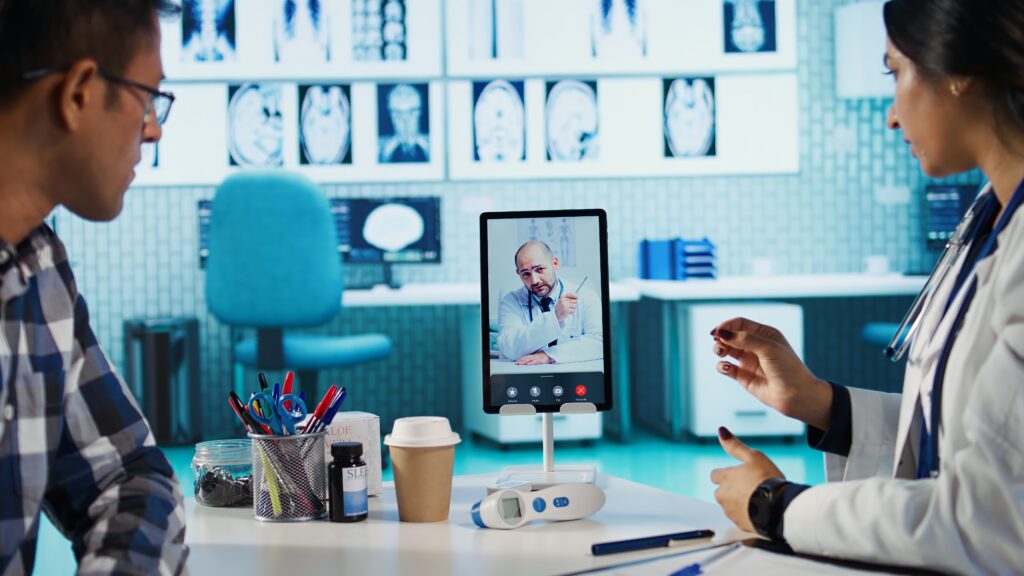
Neurological conditions affect millions worldwide, from migraines and epilepsy to stroke, Parkinson’s, dementia, and multiple sclerosis. In 2026, telemedicine has become an essential part of neurology care, enabling remote monitoring, frequent virtual consultations, and timely interventions without constant travel to specialists.
Many neurological disorders require ongoing observation rather than one-time treatment. Telehealth allows neurologists to track symptoms, review device data, adjust medications, and provide cognitive or behavioral support from afar. This approach improves access in underserved areas, reduces hospital readmissions, and supports aging populations who benefit most from care delivered at home.
How Telemedicine Supports Neurological Care
Virtual consultations handle a wide range of needs. Initial assessments, follow-ups after stroke or seizure, medication titration for epilepsy or Parkinson’s, and migraine management all work effectively online. Patients describe symptoms, demonstrate tremors or gait issues via video, and share seizure logs or headache diaries.
Remote monitoring fills critical gaps. Wearables and home devices track sleep patterns, movement, heart rate variability, and even subtle cognitive changes. AI analyzes these streams to detect early signs of deterioration, such as increased fall risk in Parkinson’s or worsening memory patterns in mild cognitive impairment.
For stroke survivors, tele-rehabilitation programs guide physical and speech therapy at home, with virtual check-ins to monitor progress and prevent secondary strokes. In epilepsy, connected devices detect seizure-like activity and alert caregivers or providers in real time.
Cognitive health monitoring gains traction. Digital tools assess memory, attention, and executive function through apps or tablet-based tasks. Trends over time help neurologists spot early dementia signals and recommend lifestyle or medication adjustments.
Key Tools and Trends in 2026
Several advancements define neuro-telemedicine this year.
Wearables and motion sensors provide continuous data on gait, tremor severity, and activity levels. AI algorithms identify patterns that precede exacerbations in conditions like multiple sclerosis or essential tremor.
Smart home sensors detect unusual nighttime wandering or prolonged inactivity, common in dementia. These passive systems send discreet alerts to family or care teams.
Video-based assessments allow neurologists to evaluate eye movements, facial symmetry, coordination, and speech fluency remotely. High-resolution cameras and AI-enhanced image analysis improve diagnostic confidence.
AI-powered cognitive batteries run on smartphones or tablets, offering repeatable, standardized testing that tracks subtle decline. Results integrate directly into telehealth platforms for review during virtual visits.
In India, ABDM compliance enables secure sharing of neurological records and monitoring data across providers and hospitals.
Benefits for Patients and Neurologists
Patients gain convenience, especially those with mobility challenges, frequent seizures, or post-stroke fatigue. Reduced travel lowers stress and exposure risks. Regular virtual touchpoints improve medication adherence and early problem detection.
Neurologists extend their reach, manage larger panels, and focus in-person time on complex cases requiring physical exams or procedures. Data-rich consultations lead to more precise decisions and fewer reactive emergencies.
How Doccure Supports Neurology Telemedicine
Doccure provides a secure telemedicine platform well-suited for neurological care. Virtual consultations allow neurologists to assess symptoms, review video demonstrations, and discuss treatment plans remotely.
The white-label patient app (iOS and Android) offers branded access to symptom logs, medication reminders, secure messaging, and progress tracking. Remote monitoring add-ons integrate data from wearables or home devices, enabling real-time review during sessions.
AI insights help flag concerning trends, such as irregular sleep or reduced activity, prompting timely virtual follow-ups. ABDM compliance in India ensures seamless, private data flow. Multi-branch features support neurology practices with multiple locations.
In 2026, telemedicine for neurology brings specialized brain health monitoring and expert consults directly to patients. These tools enhance safety, continuity, and quality of life for those managing neurological conditions.
If you or a loved one needs accessible neurological care, Doccure delivers the secure, user-friendly platform to make virtual neurology effective and convenient. Explore its features to connect with trusted specialists today.