
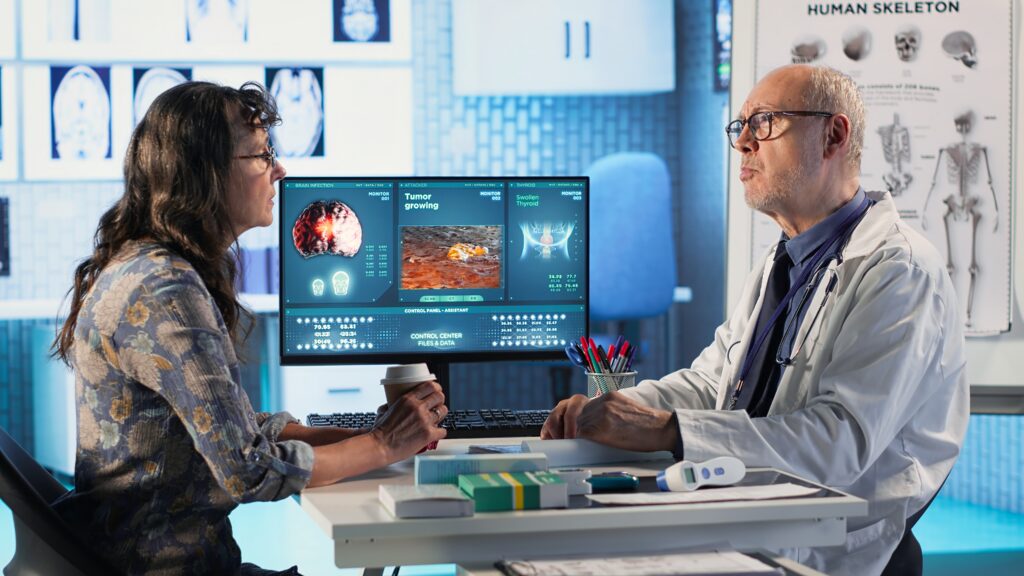
Remote patient monitoring (RPM) has evolved dramatically by 2026, moving beyond traditional wearables to intelligent, contactless systems powered by artificial intelligence. One of the most exciting advancements is AI vital scans, particularly through remote photoplethysmography (rPPG). This technology uses a simple camera, like a smartphone or webcam, to measure vital signs non-invasively by analyzing subtle changes in facial skin color caused by blood flow.
In a world where chronic diseases affect millions and healthcare resources remain stretched, AI-driven RPM enables continuous, proactive care from home. Providers detect issues early, reduce hospital visits, and improve outcomes for conditions like hypertension, diabetes, and heart disease.
How AI Vital Scans Work in Remote Monitoring
rPPG relies on remote photoplethysmography, an optical technique that captures blood volume changes through light reflections on the skin. AI algorithms process video feeds in real time, extracting signals for key vitals: heart rate, respiratory rate, blood pressure estimates, oxygen saturation, and even stress levels.
Facial scans take seconds, requiring only a brief look at the camera under normal lighting. Advanced models handle variations in skin tone, motion, and lighting, making them reliable for diverse patients. Unlike wearables, which can be uncomfortable or forgotten, camera-based scans integrate naturally into telemedicine visits or daily check-ins.
This contactless approach shines in telemedicine, allowing seamless monitoring during virtual consultations without extra devices.
Key Benefits of AI-Powered RPM with Vital Scans in 2026
- Early Detection and Prevention: AI analyzes trends and flags anomalies, alerting providers to risks before emergencies arise.
- Improved Patient Engagement: Simple, device-free monitoring encourages adherence, especially for elderly or tech-averse individuals.
- Cost and Resource Savings: Reduces in-person visits, hospital readmissions, and overall care costs while supporting value-based models.
- Accessibility: Reaches rural or homebound patients easily, bridging gaps in traditional care.
- Enhanced Data Insights: AI provides predictive analytics, combining vitals with EHR data for personalized plans.
With reimbursement policies expanding and FDA guidance maturing, adoption accelerates.
Leading Trends Shaping AI Vital Scans in RPM for 2026
The market emphasizes integration with IoT, wearables, and cloud platforms for continuous data. Predictive models forecast deteriorations, while federated learning preserves privacy. Multi-modal approaches combine camera scans with ambient sensors for comprehensive monitoring.
Challenges like lighting variations and motion artifacts see ongoing improvements through robust AI training. Regulatory focus ensures safety and equity across skin tones.
Top Tools and Platforms for AI Vital Scans in Remote Monitoring
Several solutions stand out for their innovation and practicality.
Contactless platforms like Shen AI, Binah.ai, and Vastmindz use rPPG for quick facial scans, delivering accurate vitals without hardware. They integrate well into apps for spot checks or continuous tracking.
For comprehensive RPM, tools combining wearables with AI analytics offer robust chronic care management.
Doccure emerges as a standout integrated solution. Its platform incorporates AI-powered vital monitoring through facial scans, enabling real-time, non-invasive assessments during telemedicine sessions. Combined with secure video consultations, EHR integration, e-prescriptions, and branded patient apps, Doccure supports full RPM workflows. Providers enjoy seamless data flow, compliance with HIPAA and GDPR, and scalability for clinics or hospitals. The contactless AI scans fit effortlessly into virtual visits, enhancing proactive care without added patient burden.
Getting Started with AI Vital Scans RPM
Assess your patient needs, choose compliant platforms, train staff, and start with pilot programs. Focus on user-friendly tools that integrate existing systems.
In 2026, remote patient monitoring with AI vital scans represents a shift toward preventive, patient-centered healthcare. Technologies like rPPG make continuous monitoring accessible and accurate.
Doccure delivers this innovation through its AI-enhanced platform, helping providers monitor vitals effortlessly while building stronger patient relationships. If you are ready to embrace contactless RPM, explore Doccure for a demo and see the difference in your practice.