
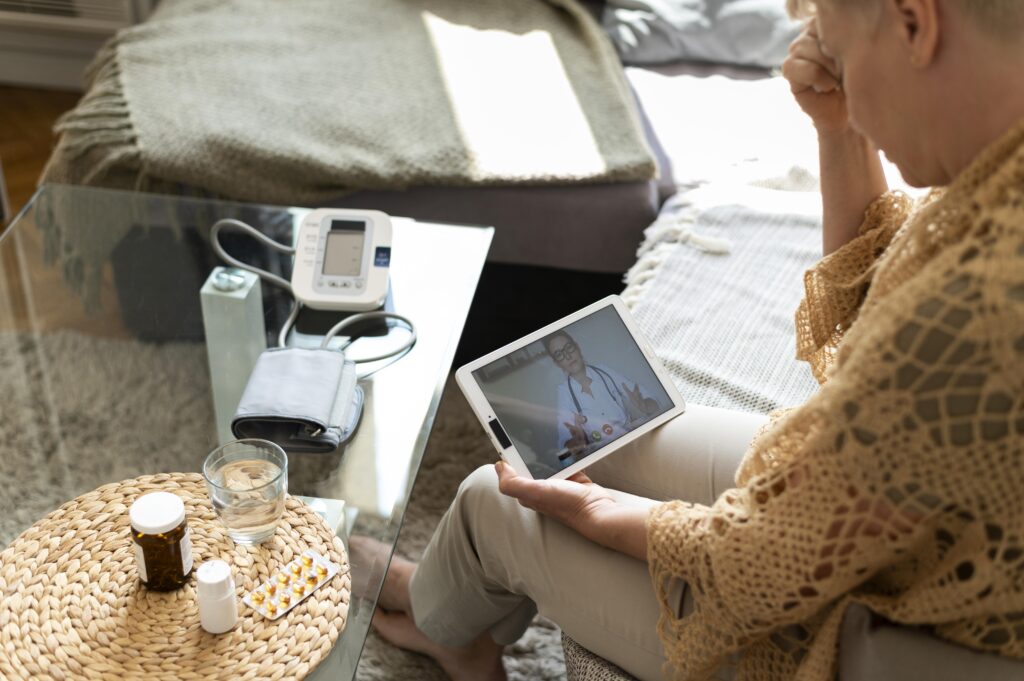
Integrating IoT devices with telemedicine software transforms remote patient monitoring into a powerful tool for proactive care. In 2026, connected wearables, sensors, and smart medical equipment send real-time vital data directly to providers, enabling earlier interventions, better chronic disease management, and fewer in-person visits. This connectivity empowers clinics to deliver personalized, continuous care while improving outcomes and efficiency.
Whether monitoring blood pressure, glucose levels, heart rate, or oxygen saturation, IoT integration brings actionable insights into virtual consultations. Here’s a practical guide to get started, covering steps, best practices, common devices, and how to make it seamless.
Why Integrate IoT with Telemedicine in 2026
The rise of chronic conditions and aging populations drives demand for continuous monitoring. IoT devices provide live data streams that telemedicine platforms analyze for trends and alerts. Combined with AI, this setup detects anomalies early, reduces hospital readmissions, and supports preventive care. With 5G enabling low-latency transmission and cloud platforms handling vast data volumes, integration has never been more reliable.
Common IoT Devices for Remote Patient Monitoring
Popular devices include:
- Smart blood pressure cuffs and glucometers for hypertension and diabetes tracking
- Pulse oximeters for oxygen levels
- Wearable ECG monitors and heart rate trackers
- Thermometers and scales with connectivity
- Smart inhalers for respiratory conditions
- Motion sensors for fall detection or activity tracking
These devices use Bluetooth, Wi-Fi, or cellular connectivity to transmit data securely.
Step-by-Step Guide to Integration
- Assess Your Needs and Choose Compatible Devices Identify patient groups that benefit most, such as those with diabetes, heart disease, or post-surgery recovery. Select FDA-cleared or CE-marked devices with open APIs or SDKs for easy connectivity.
- Evaluate Your Telemedicine Platform Choose software that supports IoT integration through APIs, cloud gateways, or direct device pairing. Look for built-in support for protocols like MQTT, CoAP, or FHIR standards to ensure smooth data flow.
- Set Up Connectivity and Data Flow Pair devices via Bluetooth Low Energy (BLE) or Wi-Fi to a gateway app on the patient’s phone or a dedicated hub. Use cloud services like AWS IoT Core or Azure IoT Hub for secure data routing. Ensure real-time or near-real-time transmission for timely alerts.
- Implement Data Security and Compliance Prioritize end-to-end encryption, device authentication, and secure APIs. Comply with HIPAA, GDPR, and local regulations by using platforms that handle data anonymization and consent management. Regular firmware updates and vulnerability scans protect against threats.
- Integrate with EHR and Analytics Map incoming data to patient records in your EHR. Use dashboards to visualize trends, set thresholds for alerts, and enable AI analysis for predictive insights. This step turns raw data into actionable clinical information.
- Test, Train, and Launch Run pilot tests with a small patient group to verify data accuracy and reliability. Train staff on interpreting IoT data and responding to alerts. Educate patients on device use and troubleshooting. Monitor performance and refine based on feedback.
- Scale and Optimize Expand to more patients and devices. Use analytics to improve protocols and identify high-impact use cases.
Best Practices for Successful Integration
- Use standardized protocols and APIs for interoperability
- Focus on user-friendly patient onboarding to boost adherence
- Combine IoT data with AI for deeper insights without overwhelming providers
- Ensure robust network reliability with fallback options
- Prioritize privacy with consent-based data sharing
How Doccure Simplifies IoT Integration
Doccure makes IoT integration straightforward with built-in support for real-time device connectivity and remote monitoring. Its platform handles data ingestion from various IoT sources, displays vitals during video consultations, and triggers alerts seamlessly. Combined with AI-powered analysis, secure EHR, and branded patient apps, Doccure enables clinics to deliver continuous care without complex custom development. Providers enjoy full compliance, scalability, and patient engagement tools that make monitoring effortless.
Final Thoughts
Integrating IoT devices with telemedicine software in 2026 unlocks proactive, data-driven care that improves lives and practice efficiency. With careful planning and the right platform, clinics can implement robust monitoring quickly.
Doccure offers a comprehensive solution that streamlines this process, empowering providers to embrace connected health confidently.
Ready to enhance your telemedicine with IoT? Explore Doccure for a demo and start building a more connected practice today.