
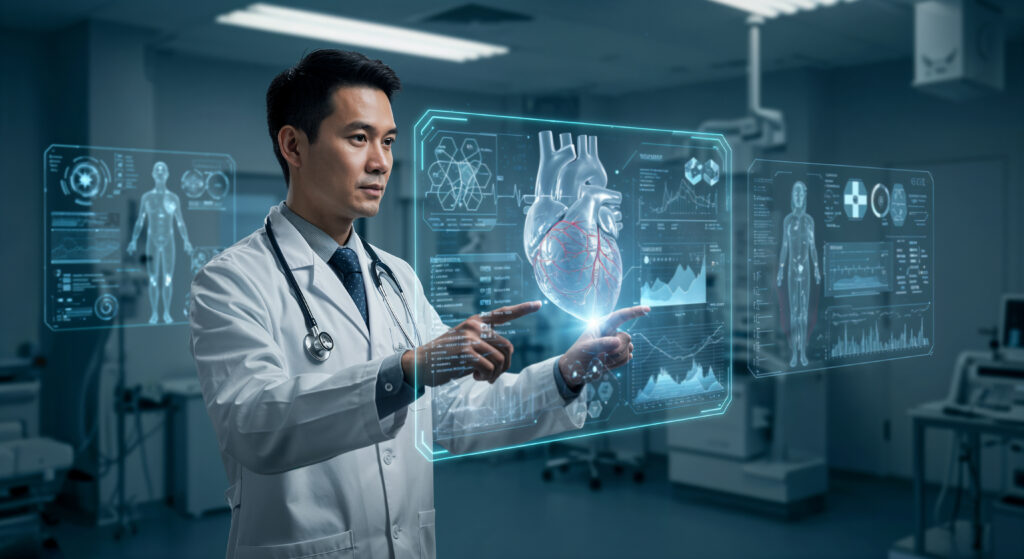
Heart disease remains a leading cause of death worldwide, but in 2026, innovations in cardiology are shifting the focus from crisis response to continuous prevention. Real-time heart monitoring powered by AI and integrated with telehealth allows cardiologists to detect issues early, personalize treatments, and reduce hospital admissions. Wearables, implantable sensors, and connected platforms track rhythms, pressures, and other vitals around the clock, sending data directly to care teams.
These advancements help manage conditions like atrial fibrillation, heart failure, hypertension, and arrhythmias more effectively. AI analyzes vast streams of data to spot subtle patterns humans might miss, while telehealth enables timely virtual interventions without requiring office visits.
The Evolution of Real-Time Cardiac Monitoring
Traditional monitoring relied on periodic ECGs or Holter devices, capturing only snapshots of heart activity. Today, continuous tools provide a full picture. Smartwatches and patches use ECG sensors, photoplethysmography, and oxygen saturation to monitor rhythms in real time. Implantable devices offer even deeper insights for high-risk patients.
AI elevates this by processing data instantly. Algorithms trained on cardiovascular datasets deliver predictive insights, such as impending heart failure decompensation or stroke risk from atrial fibrillation. Studies show AI can forecast hospitalizations days ahead with high accuracy, outperforming basic threshold alerts and cutting false positives significantly.
Remote patient monitoring platforms sync wearables with clinician dashboards. This supports proactive care, especially for seniors or those with chronic conditions who benefit from home-based tracking.
Telehealth’s Role in Modern Cardiology
Telehealth expands access to specialist care. Virtual consultations allow cardiologists to review live data, discuss symptoms, adjust medications, or interpret device alerts remotely. This proves invaluable for follow-ups, post-procedure checks, or urgent concerns.
In 2026, telecardiology integrates seamlessly with monitoring tools. Patients share vitals during video sessions, and providers make informed decisions quickly. For rural or mobility-limited patients, this reduces travel burdens while maintaining high-quality oversight.
AI enhances telehealth further by prioritizing cases, automating documentation, and offering decision support. Predictive models flag risks, guiding personalized plans like medication tweaks or lifestyle recommendations.
Key Benefits for Patients and Cardiologists
Patients gain peace of mind through constant vigilance and early warnings. Real-time alerts prompt action before symptoms worsen, often preventing emergencies. Better adherence comes from convenient virtual care and visible progress tracking.
Cardiologists benefit from efficiency. AI reduces alert fatigue by focusing on meaningful events. Centralized data improves coordination across teams, and remote tools extend practice reach without added overhead.
In India, these innovations align with digital health growth. ABDM integration enables secure data sharing, supporting nationwide care continuity.
Challenges and Future Directions
Data privacy, device accuracy, and equitable access remain priorities. Robust encryption and compliance standards build trust. As AI matures, expect even more refined predictions and integration with emerging therapies.
Regulatory support and evidence from real-world use continue to drive adoption. Connected ecosystems combining EHR, monitoring, and telehealth create cohesive care.
How Doccure Advances Cardiology Care
Doccure offers a comprehensive telemedicine platform tailored for specialty practices, including cardiology. Secure virtual consultations connect patients with cardiologists for real-time discussions and remote assessments.
The system supports integration with wearables and remote monitoring add-ons, pulling in vital data for informed sessions. AI-driven alerts highlight anomalies in heart metrics, enabling proactive interventions.
White-label patient apps provide branded, user-friendly access to tracking dashboards, reminders, and secure messaging. Multi-branch features ensure consistent oversight across locations, ideal for growing cardiology networks.
In 2026, real-time heart monitoring with AI and telehealth transforms cardiology from reactive to preventive. These tools improve outcomes, enhance patient engagement, and optimize practice efficiency.
If you are a cardiologist or clinic looking to embrace these innovations, Doccure delivers the secure, integrated platform to elevate cardiac care. Explore its features to bring advanced monitoring and telehealth to your patients today.