
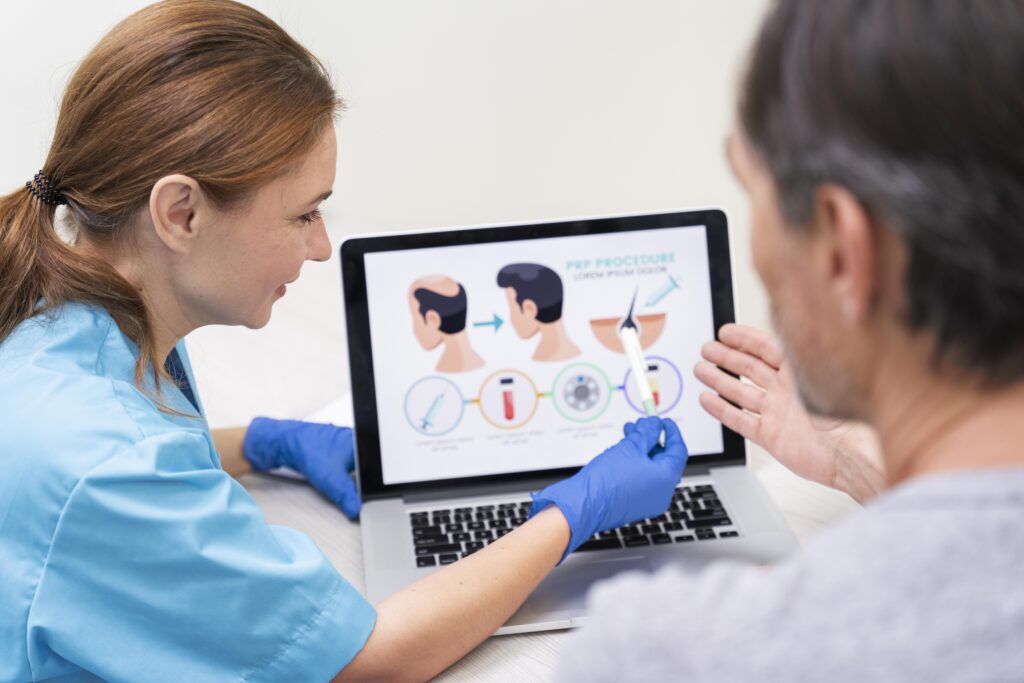
Dermatology and aesthetic practices have unique operational needs that generic clinic software often fails to address. From before-and-after photo documentation to treatment package management and product inventory tracking, the best software for dermatology clinic operations must handle specialized workflows.
This guide evaluates what global dermatology and aesthetic clinics need in 2025, comparing features, integrations, and platforms that actually understand cosmetic and skincare practice requirements.
What Makes Dermatology Software Different
Standard clinic management platforms assume every appointment follows the same pattern. Dermatology and aesthetic practices operate differently. Consultations often lead to multiple treatment sessions. Patients purchase product packages requiring ongoing inventory tracking. Visual documentation becomes critical for treatment outcomes and patient satisfaction.
Treatment planning spans weeks or months with multiple modalities. A single patient might receive laser treatments, chemical peels, dermal fillers, and skincare products as part of one comprehensive plan. Your aesthetic clinic software needs to coordinate this complexity seamlessly.
Revenue models differ from typical medical practices. Package sales, membership programs, product retail, and prepaid treatment bundles create financial complexity that basic billing systems cannot handle.
Essential Features for Dermatology Practices
Before-and-after photo management sits at the core of dermatology practice management. The platform should capture, store, and organize treatment photos with timestamps and treatment details. Side-by-side comparisons demonstrate progress to patients and provide clinical documentation.
Photos need strict privacy controls and secure storage meeting healthcare compliance standards. Integration with consultation notes ensures visual documentation connects directly to treatment records without manual filing.
Treatment package management handles multi-session plans common in aesthetic practices. When a patient purchases six laser sessions, the system should track sessions used, remaining treatments, expiration dates, and booking for subsequent appointments.
Package sales, prepayments, and membership programs require financial tracking beyond simple per-appointment billing. Your software for dermatology clinic operations should manage these revenue models without workarounds.
Product inventory and retail integration matters for practices selling skincare products. The system should track stock levels, alert for reorders, integrate point-of-sale transactions with patient records, and analyze which products sell best with which treatments.
Consent form management becomes crucial for cosmetic procedures. Digital consent forms with electronic signatures, procedure-specific templates, and secure storage protect your practice legally while streamlining patient intake.
Telemedicine for Dermatology Specialization
Dermatology lends itself particularly well to telemedicine for consultations, follow-ups, and treatment monitoring. However, generic video platforms miss opportunities specific to skincare practices.
Quality photo sharing during video consultations lets patients show skin concerns clearly. The platform should support high-resolution image sharing, zooming capabilities for detailed examination, and annotation tools for marking areas of concern.
Asynchronous consultations where patients upload photos for dermatologist review between scheduled visits improve care continuity. The aesthetic clinic software should facilitate this workflow with secure messaging and photo upload integrated into patient records.
Prescription management for both medical and cosmetic products needs to handle compound formulations, specific application instructions, and integration with specialty pharmacies that many dermatology patients use.
Integration with Aesthetic Equipment
Modern dermatology practices use connected devices for skin analysis, treatment planning, and outcome measurement. Your software should integrate with skin imaging systems that measure pigmentation, wrinkles, and pore size, laser equipment that logs treatment parameters automatically, and 3D facial scanning technology used for treatment planning.
These integrations eliminate manual data entry, ensure accurate treatment records, and provide objective data for demonstrating treatment effectiveness to patients.
Patient Communication for Aesthetic Practices
Dermatology and aesthetic patients expect premium communication. Appointment reminders should reflect your practice’s sophistication. Treatment progress updates with photo comparisons keep patients engaged between sessions. Product usage instructions and skincare routine guidance provided through the platform improve compliance.
Pre and post-treatment care instructions delivered automatically based on the procedure reduce staff workload while ensuring patients receive consistent, comprehensive guidance.
Marketing automation for aesthetic practices includes birthday messages with special offers, treatment anniversary reminders, or new service announcements targeted to specific patient segments based on previous treatments.
Multi-Location and International Patient Management
High-end dermatology and aesthetic clinics often operate multiple locations or see international patients. The software for dermatology clinic networks should handle unified patient records across all locations, practitioner calendars synchronized globally, multi-currency billing for international patients, and treatment continuity when patients visit different branches.
International patients particularly common in aesthetic medicine require appointment booking across time zones, telemedicine follow-ups when patients return home, and shipping coordination for ongoing product purchases.
Financial Management for Aesthetic Revenue Models
Beyond standard medical billing, dermatology practices need financial tools for treatment package sales with payment plans, membership and subscription programs, retail product sales with inventory integration, commission tracking for treating physicians, and prepaid accounts or clinic credit systems.
The platform should handle partial payments, package transfers between family members, and refund management while maintaining accurate financial records.
Why DocCure Works for Dermatology and Aesthetic Practices
DocCure addresses dermatology-specific needs while providing comprehensive clinic management. The platform handles visual documentation with secure, HIPAA-compliant photo storage integrated directly into patient records. Before-and-after comparisons generate automatically with customizable viewing options.
Treatment packages and membership programs manage complex pricing models without manual tracking. The system handles multi-session treatments, tracks remaining sessions, and automates booking reminders for follow-up appointments.
Complete white-label customization ensures your branded patient app reflects your aesthetic practice’s premium positioning. Patients interact with your brand exclusively across booking, consultations, product purchases, and treatment tracking.
Multi-channel telemedicine adapts to network conditions automatically. When video quality drops during international consultations, the platform transitions seamlessly to audio or secure messaging without ending the session.
Pharmacy and product integration connects with specialty compounding pharmacies, skincare product suppliers, and retail inventory systems. E-prescriptions show medication availability, patients choose delivery options, and purchases sync to their treatment records.
Family account management common in aesthetic practices where one person coordinates treatments for multiple family members works through single secure login with role-based permissions.
IoT integration with modern dermatology equipment including skin analysis devices, laser systems, and 3D scanners brings device data directly into patient records without manual entry.
The platform deploys globally with multi-currency support, international payment processing, time zone management, and compliance with data protection regulations across jurisdictions including GDPR, HIPAA, and local standards.
Evaluating Your Options
When comparing aesthetic clinic software, request demos using actual dermatology workflows. Test before-and-after photo management, treatment package tracking, and product inventory features with realistic scenarios from your practice.
Ask for references from dermatology or aesthetic practices similar to yours in size and scope. Understand what challenges they faced during implementation and how well the platform adapted to their specialized needs.
Evaluate whether the platform requires expensive customization to handle dermatology workflows or supports them natively. Custom development adds cost and delays while potentially breaking during updates.
DocCure provides dermatology and aesthetic clinics with specialized features built into the core platform.
Conclusion
The best software for dermatology clinic operations understands that aesthetic practices operate differently from standard medical clinics. Visual documentation, treatment packages, product sales, and premium patient experiences require specialized features that generic platforms cannot deliver through workarounds.
Evaluating platforms based on dermatology-specific requirements ensures you choose software that enhances your practice rather than forcing you to adapt successful workflows to software limitations.