
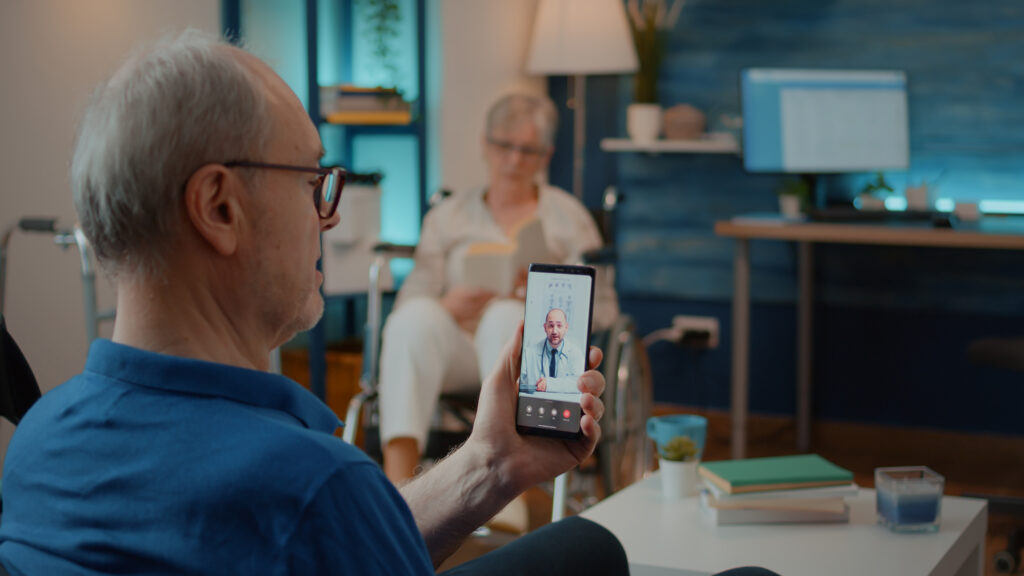
Telehealth has evolved dramatically by 2026, with artificial intelligence at its core transforming remote health monitoring. AI analyzes data from wearables, sensors, and home devices to deliver predictive insights, early warnings, and personalized care plans. This shift supports chronic condition management, reduces hospital readmissions, and empowers patients with proactive health tools.
Remote patient monitoring (RPM) powered by AI goes beyond basic tracking. Algorithms detect patterns in vital signs, activity, sleep, and more, alerting clinicians to risks like deteriorating heart failure or glucose instability. In telehealth, these tools integrate seamlessly with virtual consultations, making care continuous and efficient.
Why AI Drives Remote Monitoring in 2026
AI reduces clinician workload by prioritizing high-risk cases and automating routine tasks. Predictive models forecast events days ahead, enabling timely interventions. Contactless options using smartphone cameras or video scans make monitoring accessible without extra hardware.
Trends show strong growth in wearables, biosensors, and cloud-based platforms. For Indian practices, ABDM compliance ensures secure, interoperable data sharing. These advancements improve outcomes for diabetes, hypertension, cardiac issues, and more.
Top AI-Powered Tools for Remote Health Monitoring
Here are leading tools shaping AI telehealth in 2026, based on features, adoption, and impact.
- Biofourmis Biofourmis processes wearable and biosensor data with AI for continuous monitoring. It predicts deteriorations in heart failure, diabetes, and other conditions, supporting hospital-at-home programs. Clinicians receive actionable alerts for proactive care.
- Current Health (Best Buy Health) This platform combines wearables with AI for real-time vital tracking. Predictive models identify risks early, aiding chronic and post-acute care. It scales well for remote oversight with strong data integration.
- Binah.ai Binah.ai offers contactless monitoring via smartphone cameras, measuring heart rate, blood pressure, and respiration. AI delivers instant insights and trend analysis, ideal for quick checks or wellness without devices.
- Upvio Upvio excels in human-centric, contactless rPPG technology. It monitors vitals through video for heart rate, stress, and respiration. Scalable for healthcare, insurance, and employee wellbeing with emphasis on user experience.
- HealthArc HealthArc provides end-to-end RPM with AI workflows. It supports device ecosystems, compliance, and revenue features like CCM billing. Suited for scalable chronic care with predictive alerts.
- Dexcom (AI-enhanced) Dexcom’s continuous glucose monitors use AI for predictive hypoglycemia or hyperglycemia alerts. It forecasts trends hours ahead, integrating with telehealth for diabetes management.
- Medtronic CareLink For cardiac patients, Medtronic applies AI to implanted devices and wearables. It detects arrhythmias early with risk scores and dashboards for timely virtual interventions.
- Prevounce Health Prevounce delivers comprehensive RPM with AI for compliance and insights. It monitors vitals, predicts needs, and integrates CCM, fitting independent practices focused on sustainability.
- Philips HealthSuite Philips ecosystem uses AI for home and hospital-at-home monitoring. Predictive analysis from connected devices supports chronic and acute conditions with robust interoperability.
- Advanced Health Intelligence (AHI) AHI provides SDKs for biometric data collection across apps. It suits insurance and fitness with varied AI-driven insights, though integration quality varies.
Benefits and Considerations
These tools enhance telehealth by enabling asynchronous monitoring alongside virtual visits. Patients gain independence with alerts and insights, while providers focus on high-value care.
Key considerations include privacy compliance, device compatibility, and ease of use. Start with platforms offering demos to match your practice needs.
Doccure’s Role in AI-Powered Telehealth
Doccure integrates AI features into its telemedicine platform for effective remote monitoring. It supports wearable syncing, real-time alerts, and predictive insights during consultations.
The white-label patient app delivers branded tracking dashboards and reminders. ABDM compliance aids Indian providers, while multi-branch tools ensure consistent care.
In 2026, AI-powered telehealth with remote monitoring redefines proactive care. These top tools help deliver better outcomes and patient satisfaction.
If you want to incorporate AI-driven monitoring into your practice, Doccure offers secure, customizable solutions. Explore its features to enhance remote health capabilities today.