
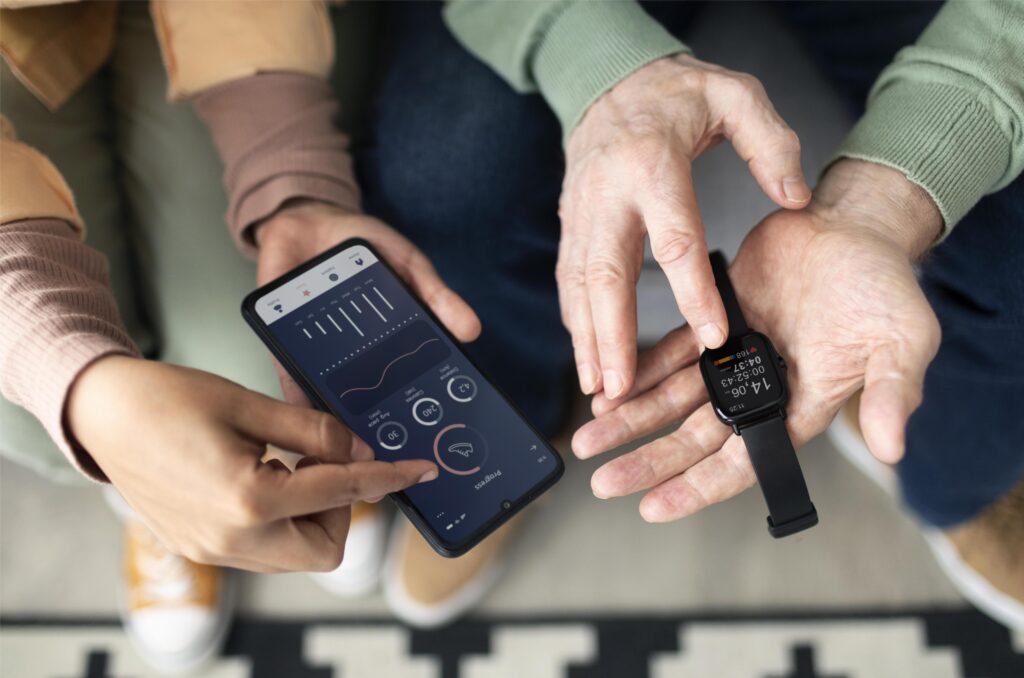
Artificial intelligence is no longer a future promise in healthcare. In 2026, AI drives daily clinical decisions, improves diagnostic speed, enhances patient monitoring, and makes telemedicine more intelligent and proactive. Among the most impactful applications is AI-powered vital sign monitoring, which now allows contactless, continuous tracking of heart rate, respiration, blood pressure estimates, oxygen saturation, and stress indicators without attaching sensors or cuffs.
This shift supports preventive care, chronic disease management, and virtual consultations with richer data. Telemedicine platforms that integrate these capabilities deliver faster, more accurate care while reducing clinic workload and patient travel. The result is healthcare that anticipates problems rather than reacting to them.
Contactless Vital Sign Monitoring: The Breakthrough of 2026
Traditional vital checks require physical contact and clinic visits. AI has changed that through remote photoplethysmography (rPPG) and advanced computer vision. Using a smartphone camera or webcam during a video call, AI analyzes subtle changes in skin color caused by blood flow to measure heart rate, respiratory rate, and even blood pressure estimates with clinical-grade accuracy in many cases.
These contactless methods are especially valuable for:
- Elderly patients who struggle with wearables
- Frequent monitoring during virtual follow-ups
- Infection control in post-pandemic settings
- Quick triage in urgent virtual care
AI algorithms filter noise from lighting or movement, then provide trend analysis over time. Deviations trigger alerts, enabling early intervention before symptoms escalate.
AI Enhances Telemedicine in Multiple Ways
Beyond vitals, AI transforms the entire virtual care experience.
Ambient listening tools capture consultations and generate structured notes, reducing documentation time. Predictive models review patient history, wearable data, and current vitals to suggest differential diagnoses, medication adjustments, or follow-up tests. Natural language processing translates patient descriptions into clinical terms and flags inconsistencies.
Personalized care plans emerge from AI analysis of lifestyle factors, adherence patterns, and risk scores. Patients receive tailored recommendations for diet, exercise, or stress management between visits. In chronic conditions like diabetes or hypertension, AI predicts exacerbations and prompts timely virtual check-ins.
Global and Indian Adoption in 2026
Worldwide, AI in healthcare focuses on scalability and equity. In resource-limited areas, contactless monitoring and AI triage extend specialist reach. In India, ABDM integration allows secure sharing of AI-derived insights across providers, supporting national digital health goals.
Multilingual AI assistants handle regional languages, making virtual care inclusive. Regulatory bodies continue to validate AI tools, ensuring they meet safety and bias standards.
Practical Benefits for Clinics and Patients
Clinics gain efficiency: fewer routine vitals checks, prioritized high-risk cases, and better resource allocation. Patients enjoy independence, fewer visits, and proactive support that catches issues early. Studies show AI-enhanced RPM reduces hospital readmissions and improves adherence for chronic conditions.
How Doccure Brings AI Vital Monitoring to Everyday Practice
Doccure leads by embedding contactless AI vital sign monitoring directly into its telemedicine platform. During secure video consultations, the system uses rPPG to capture heart rate, respiration, and stress indicators in real time without extra hardware. Doctors review live data alongside patient history and trends from previous sessions.
The white-label patient app (native on iOS and Android) carries your clinic branding, giving patients a trusted, personalized experience. They access their vitals dashboard, receive AI-powered health tips, get reminders, and join consultations seamlessly. Full ABDM compliance ensures secure, consent-based data sharing in India.
Multi-branch support keeps monitoring consistent across locations. Clinics using Doccure report earlier detection of issues, stronger patient engagement, and new revenue from enhanced virtual services.
In 2026, AI in healthcare, especially vital sign monitoring and telemedicine innovations, moves care from reactive to predictive. Contactless scanning and intelligent analysis make high-quality monitoring accessible to everyone.
If you want to offer advanced AI-powered virtual care that sets your clinic apart, Doccure provides the secure, compliant, and fully branded platform to make it happen. Schedule a free demo today to experience the future of telemedicine with built-in AI vital monitoring for 2026 and beyond.