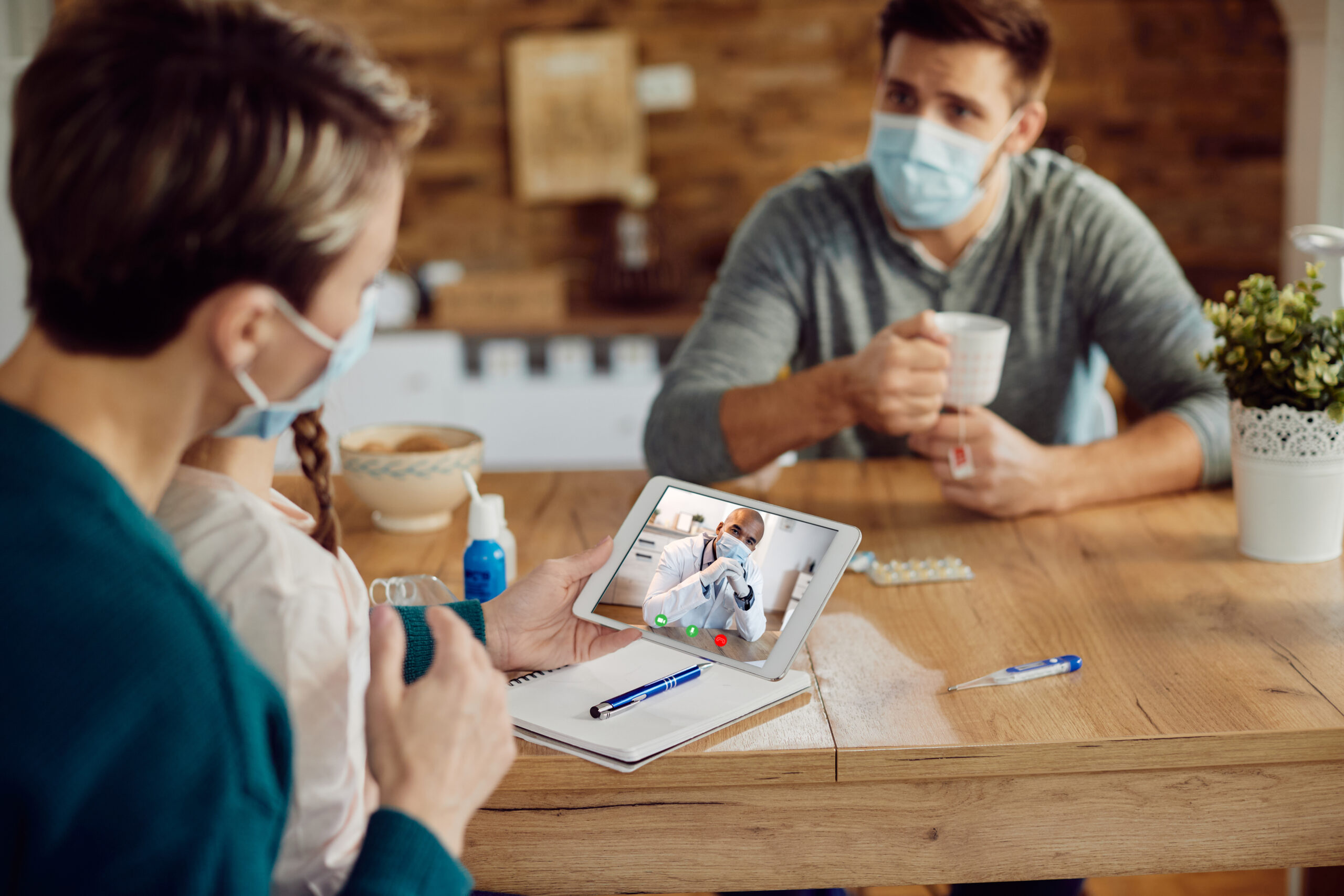
Hospital-at-Home Telemedicine: Trends and Tools for Global Remote Care in 2026
Hospital-at-home programs have moved from pilot projects to mainstream care models in 2026. Patients with conditions that once required inpatient admission, such as heart failure exacerbations, COPD flare-ups, pneumonia, cellulitis, or post-surgical recovery, now receive hospital-level treatment at home. Telemedicine, remote monitoring, and virtual wards make this possible by delivering continuous oversight, timely interventions, and multidisciplinary support without the risks and costs of hospital stays.
These programs improve patient satisfaction, reduce readmissions, lower infection exposure, and cut overall healthcare expenses. Global adoption accelerates as payers, governments, and health systems recognize the value. In India, hospital-at-home initiatives expand through private hospitals and ABDM-enabled platforms, bringing acute care to urban and semi-urban homes.
Key Trends Shaping Hospital-at-Home in 2026
- Continuous Remote Monitoring: Wearables, biosensors, and home devices track vitals (heart rate, blood pressure, oxygen saturation, weight, respiratory rate) around the clock. AI analyzes data streams to detect early deterioration and trigger alerts to care teams.
- Virtual Wards: Centralized command centers staffed by nurses and physicians monitor multiple patients remotely. Daily virtual rounds, video check-ins, and asynchronous messaging replace bedside visits.
- Hybrid Acute Care Delivery: In-person home visits for procedures (IV antibiotics, wound care) combine with daily telemedicine oversight. This hybrid approach balances hands-on needs with virtual efficiency.
- AI-Powered Predictive Care: Algorithms forecast decompensations days ahead based on vital trends, medication adherence, and activity changes. Early warnings allow outpatient adjustments that prevent readmissions.
- Patient Empowerment Tools: Branded mobile apps provide real-time vitals visibility, medication reminders, symptom logs, and direct messaging with care coordinators. This transparency increases adherence and reduces anxiety.
- Scalable Multidisciplinary Teams: Nurses, pharmacists, physical therapists, and social workers collaborate through shared platforms, ensuring coordinated care without physical presence.
Essential Tools for Hospital-at-Home Programs
Successful programs rely on integrated technology stacks:
- Biosensors and wearables (Biofourmis, Current Health, Apple Watch, Dexcom) for continuous vitals
- AI platforms that predict risks and automate alerts
- Secure telemedicine systems for video rounds and messaging
- EHR integration for real-time record access
- Patient-facing apps for engagement and self-reporting
Doccure: The Complete Hospital-at-Home Telemedicine Solution
Doccure supports hospital-at-home programs with a secure, scalable platform designed for acute and chronic remote care. Its telemedicine core enables daily virtual rounds, asynchronous updates, and urgent video consultations when needed.
The white-label patient mobile app (native on iOS and Android) gives hospitals and clinics full branding. Patients see their provider’s name and logo, track vitals from connected wearables, log symptoms, receive medication reminders, and communicate directly with the care team. This personalized experience drives higher engagement and adherence compared to generic portals.
Doccure integrates seamlessly with leading wearables (Apple Watch, Oura, Dexcom, Fitbit, and more) to bring real-time vitals into clinician dashboards. AI-generated alerts highlight concerning trends, helping teams intervene before conditions worsen. Full ABDM compliance in India ensures secure, consent-based data sharing across providers and hospitals.
Multi-branch and multi-provider support allows centralized oversight for large-scale programs while maintaining local branding. Clinics and hospitals using Doccure for hospital-at-home report reduced readmissions, faster recovery times, higher patient satisfaction, and new revenue opportunities from remote acute care services.
In 2026, hospital-at-home telemedicine represents the future of efficient, patient-centered acute care. It delivers hospital-level outcomes in the comfort of home while optimizing resources and reducing system strain.
If you are ready to launch or expand a hospital-at-home program with secure monitoring, branded patient engagement, and proven telemedicine tools, Doccure provides the integrated platform to make it successful. Schedule a free consultation today to explore how your organization can deliver world-class remote care in 2026.
Chat with Doccure
Talk to our team on WhatsApp
Hi there 👋 Questions about demos, pricing, white-label or a custom build? Pick a topic and we'll continue on WhatsApp.
What can we help with?