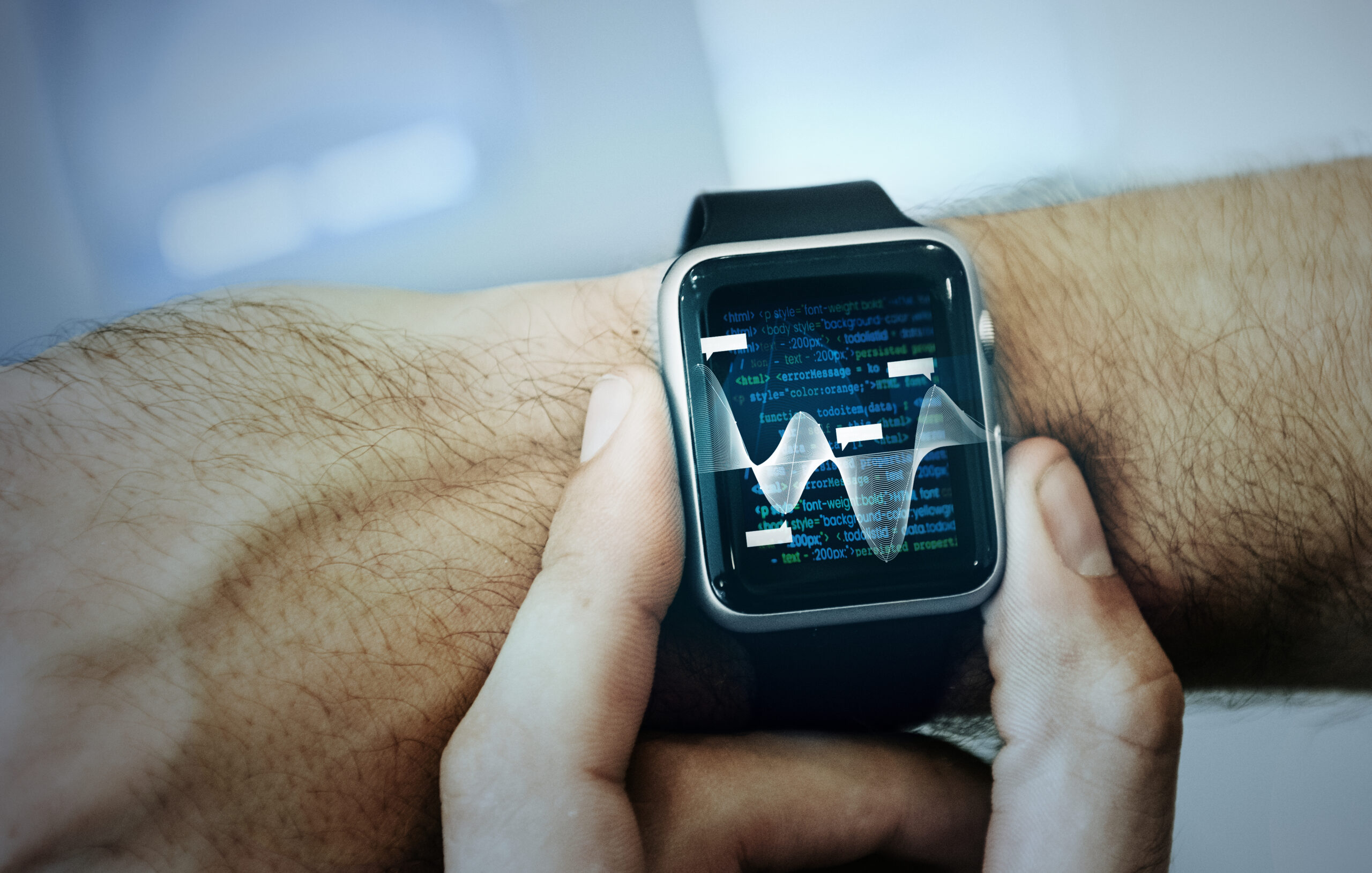
Wearables for Health Tracking: Integrating with Telemedicine Platforms in 2026
Wearables have evolved from simple step counters into powerful tools for continuous health tracking. In 2026, devices like smartwatches, rings, continuous glucose monitors, and biosensors deliver real-time data on heart rate, sleep quality, blood oxygen, glucose levels, stress indicators, and activity patterns. When integrated with telemedicine platforms, this data transforms virtual care from occasional check-ins into proactive, ongoing monitoring that helps prevent complications and supports better chronic disease management.
The combination of wearables, IoT connectivity, and AI analysis gives doctors a fuller picture of patient health between visits. Patients gain visibility into their own trends, receive personalized insights, and feel more engaged in their care. For clinics in India and worldwide, this integration opens new possibilities for remote care, improved outcomes, and additional revenue streams through monitoring services.
Leading Wearables for Health Tracking in 2026
Several devices stand out for accuracy, comfort, and seamless data sharing with telehealth systems.
- Apple Watch Series 11 Offers ECG, irregular rhythm alerts, blood oxygen, sleep stages, and fall detection. AI processes trends for cardiovascular risk insights. Easy integration via HealthKit makes it a favorite for cardiac and general monitoring.
- Oura Ring 4 Discreet ring design tracks heart rate variability, body temperature, respiratory rate, and readiness scores. Excellent for sleep recovery, stress, and preventive wellness. Strong API support for telehealth platforms.
- Dexcom G7 (or later) Continuous glucose monitoring with predictive alerts for hypo/hyperglycemia. Critical for diabetes management. Direct data syncing to clinic dashboards supports timely virtual adjustments.
- Fitbit Charge 6 / Google Pixel Watch 4 Affordable options with heart rate, sleep, stress, and activity tracking. AI coaching and cross-platform compatibility suit everyday chronic care.
- Biofourmis Biosensors Clinical-grade multi-vital monitoring for heart failure and post-acute care. AI predicts deteriorations with high accuracy. Used widely in hospital-at-home programs.
How Integration with Telemedicine Platforms Works
The real power emerges when wearables connect to a telehealth system. Data flows securely from device to clinic dashboard, where doctors review trends during virtual consultations. AI flags anomalies, predicts risks, and suggests interventions. Patients see their own dashboard with summaries, reminders, and health tips.
Benefits include:
- Early detection of issues like rising blood pressure or glucose instability
- Personalized adjustments to medication, diet, or activity
- Reduced no-shows through automated reminders tied to wearable insights
- Better chronic care adherence with visible progress tracking
- Revenue opportunities from RPM billing and enhanced virtual services
In India, ABDM compliance ensures secure, consent-based data sharing across providers.
Setup Tips for Effective Wearable Integration
- Choose devices patients will wear consistently (comfort and battery life matter).
- Select a telemedicine platform with native API support for your wearables.
- Onboard patients with simple pairing guides or in-clinic demos.
- Set clear alert thresholds to balance sensitivity and avoid fatigue.
- Review data trends together during virtual visits for shared decision-making.
- Use branded patient apps to keep engagement high and data centralized.
Why Doccure Leads Wearable Integration in Telemedicine
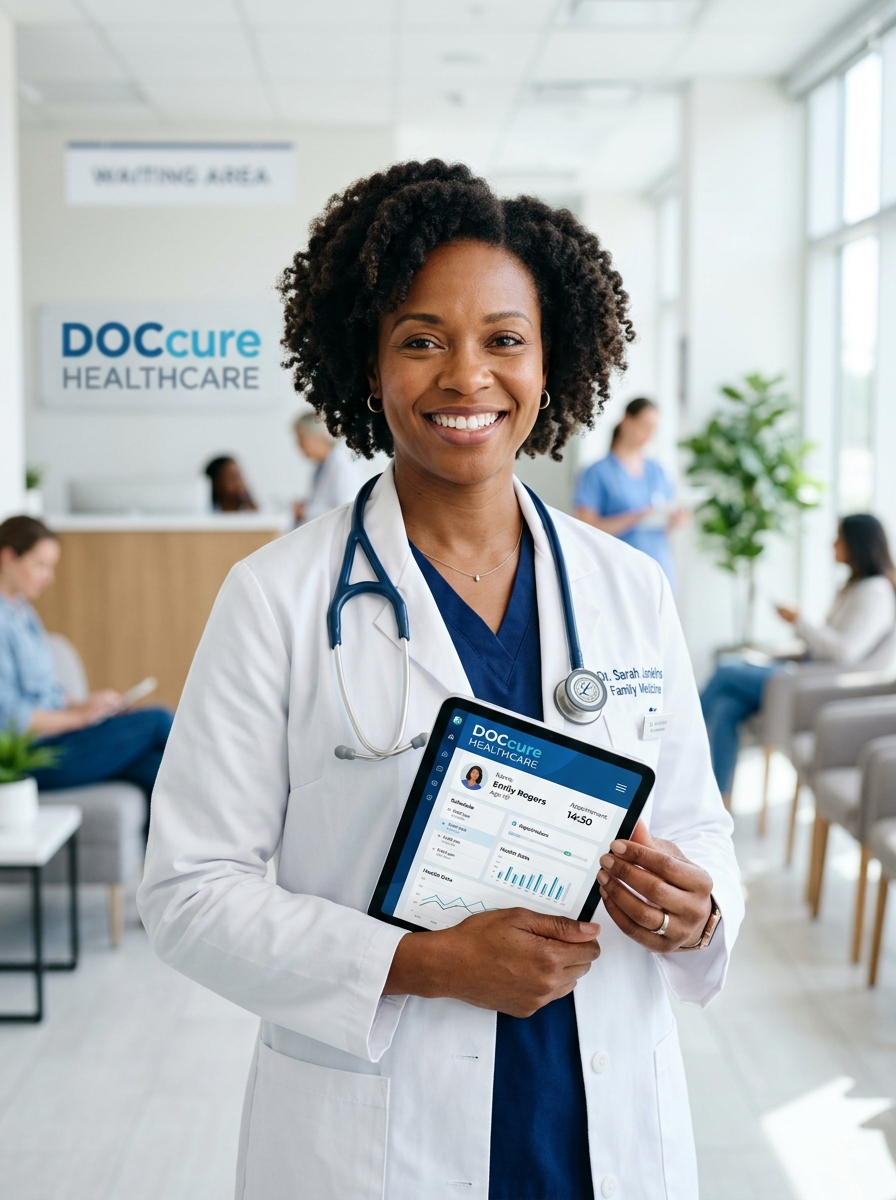
Doccure makes wearable health tracking practical and powerful for clinics. The platform integrates directly with major devices (Apple Watch, Oura, Dexcom, Fitbit, and more) to pull real-time vitals into patient profiles. Doctors view trends, receive AI-generated alerts for concerning changes, and make data-informed decisions during secure video consultations.
The white-label patient app (native on iOS and Android) carries your clinic branding. Patients access their vitals dashboard, receive personalized reminders, track progress, and join sessions without leaving your ecosystem. This ownership strengthens loyalty and sets your practice apart from generic platforms.
Full ABDM compliance in India ensures secure, interoperable data handling. Multi-branch support keeps monitoring consistent across locations. Clinics using Doccure with wearables report earlier interventions, higher patient satisfaction, and new revenue from enhanced remote services.
In 2026, wearables for health tracking integrated with telemedicine platforms represent the future of proactive care. Continuous data combined with expert virtual oversight delivers better outcomes and stronger patient relationships.
Ready to bring wearable-powered monitoring to your clinic? Doccure provides secure integration, branded apps, and the tools needed to lead in real-time health tracking. Schedule a free demo today to experience how your practice can embrace the full potential of wearables and telemedicine in 2026.
Chat with Doccure
Talk to our team on WhatsApp
Hi there 👋 Questions about demos, pricing, white-label or a custom build? Pick a topic and we'll continue on WhatsApp.
What can we help with?