Telehealth for Elderly Care: Family Monitoring and AI Alerts in 2026
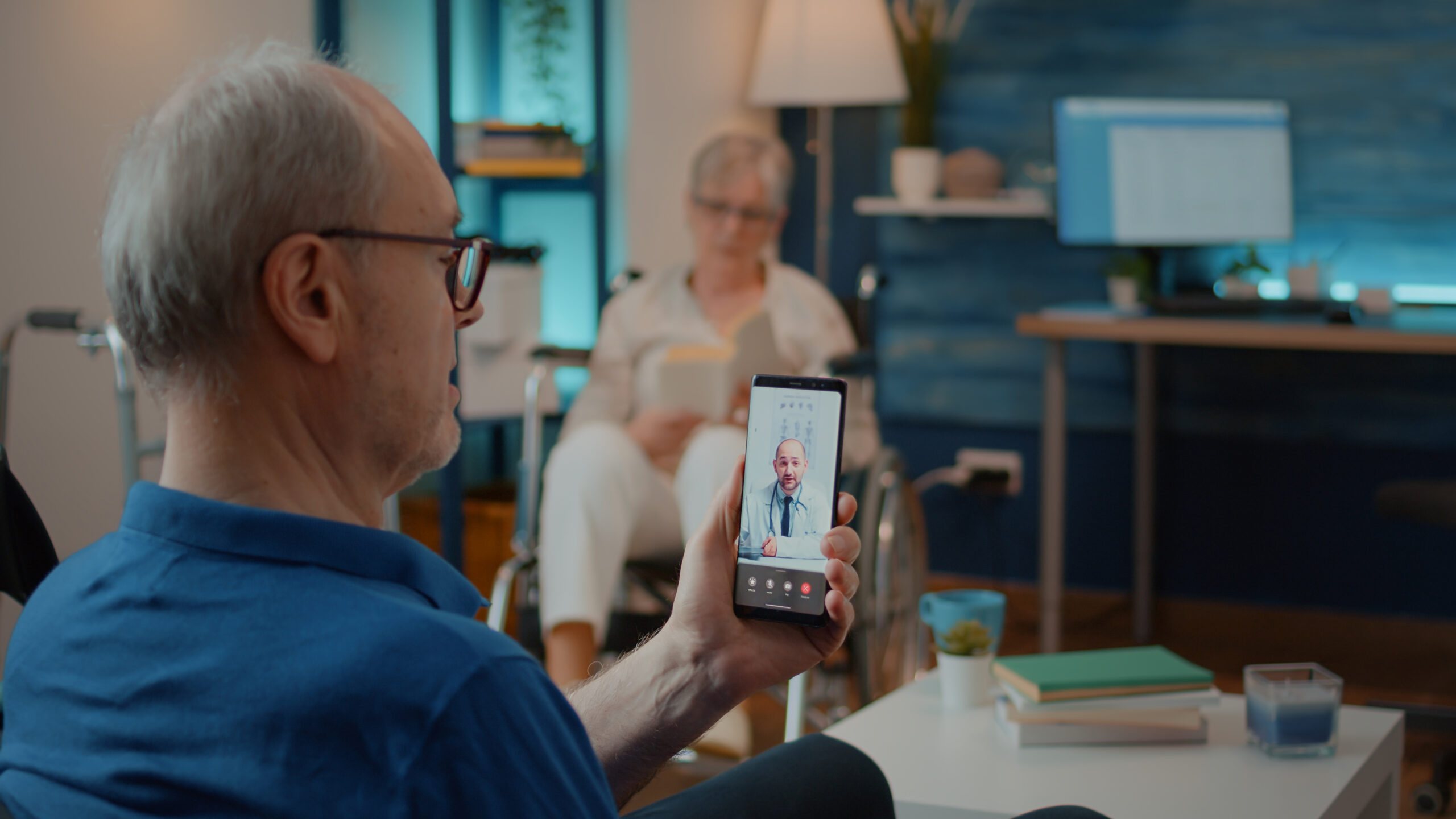
Caring for elderly loved ones grows more complex as populations age and families spread out geographically. In 2026, telehealth transforms elderly care by combining virtual consultations with remote monitoring and AI-driven alerts. This enables family members to stay involved, receive real-time updates, and support aging in place while reducing unnecessary hospital visits.
Telehealth platforms now integrate family access, allowing authorized relatives to view health trends, join virtual visits, or get notifications. AI enhances this with proactive alerts for issues like falls, missed medications, or vital sign changes, shifting care from reactive to preventive.
The Growing Role of Telehealth in Senior Care
Telehealth has matured into a foundational tool for elderly care. Virtual visits handle routine check-ins, chronic condition management, and mental health support without travel burdens. For seniors with mobility limitations or those in rural areas, this improves access to specialists and primary care.
Family monitoring features address a common challenge: coordinating care from afar. Portals let adult children or relatives review EHR data, vitals from wearables, or activity logs with consent. This fosters collaboration, reduces anxiety, and ensures consistent oversight.
AI adds intelligence. Predictive analytics process data from connected devices to detect early risks, such as irregular heart rhythms, reduced activity signaling depression, or patterns indicating wandering. Alerts notify caregivers or clinicians promptly, often preventing escalations.
Trends in 2026 highlight AI moving beyond basic alerts to sophisticated support. Wearables and smart home sensors track movement, sleep, and vitals continuously. AI analyzes patterns for fall prevention through gait changes or medication reminders via smart dispensers.
Key Benefits for Families and Seniors
Seniors maintain independence longer with remote oversight and timely interventions. Virtual care reduces infection risks and eases routine management of conditions like diabetes, hypertension, or heart failure.
Families gain peace of mind through shared dashboards and instant notifications. This empowers better decision-making and stronger support networks.
Clinicians benefit from richer data for informed virtual consultations, prioritizing high-risk cases and optimizing resources.
Practical Features in Modern Telehealth Platforms
Look for platforms offering:
- Secure family portals for trend viewing and communication
- AI-powered alerts for falls, adherence issues, or vital anomalies
- Wearable and sensor integration for continuous data
- Easy virtual visit scheduling with family inclusion
- Compliance with privacy standards for trust
These elements create a supportive ecosystem for aging gracefully at home.
How Doccure Supports Family-Centered Elderly Care
Doccure provides a secure telemedicine platform tailored for senior care needs. Virtual consultations connect elderly patients with providers while allowing family participation.
The white-label patient app delivers branded access for seniors and relatives, with dashboards showing trends from integrated wearables or remote devices. AI insights generate alerts for potential concerns like medication lapses or mobility changes, shared securely with authorized family members.
EHR centralization ensures consistent records across visits. Remote monitoring add-ons sync vitals for proactive reviews during sessions. ABDM compliance in India facilitates seamless, private data flow. Multi-branch capabilities help family practices coordinate care effectively.
In 2026, telehealth with family monitoring and AI alerts redefines elderly care. These tools promote safety, independence, and connection for seniors and their loved ones.
If you are supporting an elderly family member or managing a senior-focused practice, Doccure offers the secure, intuitive platform to enhance care. Explore its features for family-centered telehealth that prioritizes wellbeing and peace of mind.
Chat with Doccure
Talk to our team on WhatsApp
Hi there 👋 Questions about demos, pricing, white-label or a custom build? Pick a topic and we'll continue on WhatsApp.
What can we help with?