Hybrid Care Models Explained: Blending Virtual and In-Person Visits in 2026
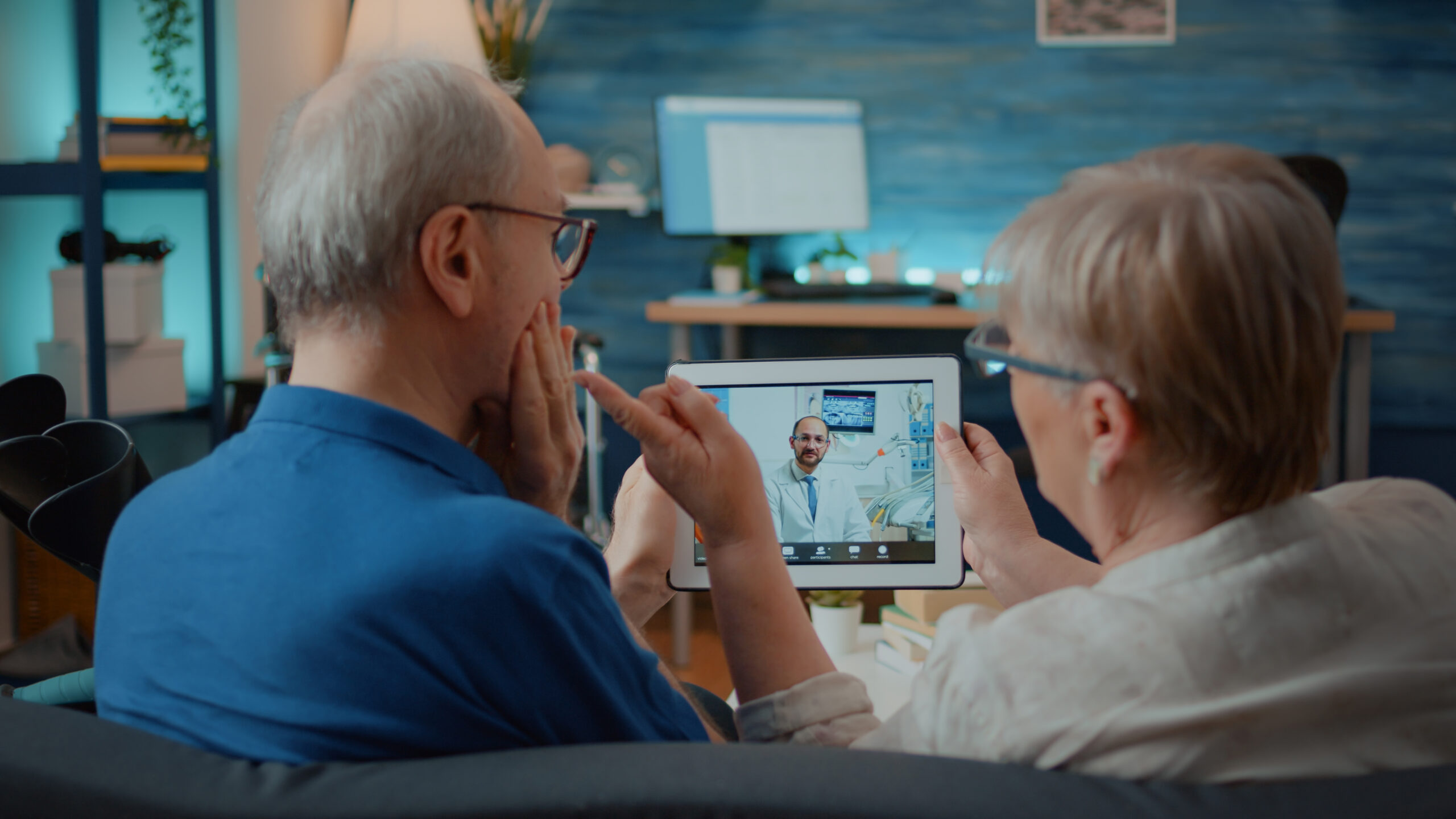
Healthcare delivery has settled into a more balanced approach by 2026. Hybrid care models combine the convenience of virtual visits with the hands-on precision of in-person appointments. This blend addresses patient needs flexibly while helping providers manage resources efficiently and improve outcomes.
After the rapid shift to telehealth during the pandemic, many realized virtual care excels for routine follow-ups, consultations, and monitoring, but certain situations still require physical exams, procedures, or immediate interventions. Hybrid models integrate both seamlessly, creating a cohesive patient journey rather than forcing a choice between one or the other.
Industry leaders point to economic pressures, policy support, workforce trends, and AI advancements as key drivers. Hybrid approaches target high-cost conditions like chronic diseases, maternal health, obesity, and post-acute recovery, often delivering better results at lower overall costs.
What Hybrid Care Models Look Like in Practice
Hybrid care tailors the delivery method to the clinical need and patient preference.
- Initial Assessments or Complex Cases: In-person visits allow thorough physical exams, diagnostics, or procedures that virtual tools cannot fully replicate.
- Follow-Ups and Monitoring: Virtual sessions handle routine check-ins, medication reviews, symptom discussions, or data reviews from wearables and home devices.
- Remote Monitoring Integration: Patients track vitals at home, sharing data for virtual adjustments, with in-person escalation only when necessary.
- Specialty Examples: In diabetes management, a patient might visit the clinic quarterly for foot exams and labs, while monthly virtual sessions review glucose trends. For heart conditions, remote rhythm monitoring triggers virtual consults, with physical visits for device checks or stress tests.
This model reduces unnecessary travel, lowers no-show rates, and frees clinic slots for those who truly need them. Providers report optimized workflows, while patients enjoy greater flexibility and continuity.
Key Benefits of Hybrid Care in 2026
Patients gain convenience and better engagement. Less time in waiting rooms means more focus on wellness. Virtual options improve access for rural or mobility-limited individuals, and consistent touchpoints enhance adherence to treatment plans.
Clinicians benefit from data-driven decisions. Remote insights from connected devices inform virtual visits, allowing proactive care. Hybrid setups support value-based contracts by emphasizing outcomes over volume.
Economically, these models help control costs. Targeted use of in-person resources reduces overhead, while virtual components scale efficiently. Policy changes and reimbursement stability in many regions continue to favor integrated approaches.
Challenges include ensuring equitable access to technology, maintaining strong patient-provider relationships across modalities, and training staff for smooth transitions. Thoughtful implementation with frontline input addresses variability in adoption.
Trends Driving Hybrid Care Forward
Hybrid models are becoming the default in many settings, especially for chronic care, behavioral health, and post-acute recovery. AI enhances triage and predictive insights, while better data exchange supports seamless handoffs. In hospitals, virtual nursing and hybrid teams coordinate admissions, discharges, and education remotely.
For Indian healthcare, ABDM integration enables secure sharing across virtual and physical touchpoints, aligning with national digital health goals.
How Doccure Fits into Hybrid Care
Doccure supports hybrid delivery through its secure telemedicine platform. Virtual consultations integrate with in-clinic workflows, allowing seamless transitions.
The white-label patient app (iOS and Android) provides branded access to virtual sessions, appointment booking, record sharing, and remote monitoring add-ons. Patients track vitals or symptoms at home, sharing data for informed virtual visits or timely in-person escalations.
Multi-branch capabilities ensure consistent care across locations, ideal for growing practices blending physical and digital services. ABDM compliance facilitates interoperability.
In 2026, hybrid care models offer the best of both worlds: personalized, efficient, and patient-centered healthcare. Providers adopting this approach position themselves for sustainable growth and stronger outcomes.
If you are exploring ways to blend virtual and in-person care in your practice, Doccure delivers the tools for smooth, secure hybrid delivery. Explore its features to enhance patient experiences and operational efficiency today.
Chat with Doccure
Talk to our team on WhatsApp
Hi there 👋 Questions about demos, pricing, white-label or a custom build? Pick a topic and we'll continue on WhatsApp.
What can we help with?