How Telemedicine is Revolutionizing Chronic Disease Management Worldwide
Chronic diseases like diabetes, hypertension, heart disease, and chronic obstructive pulmonary disease affect billions worldwide. Managing these conditions traditionally requires frequent doctor visits, which can be burdensome due to travel, time, and costs. In 2026, telemedicine has emerged as a powerful solution, changing how patients and clinicians handle long-term health needs.
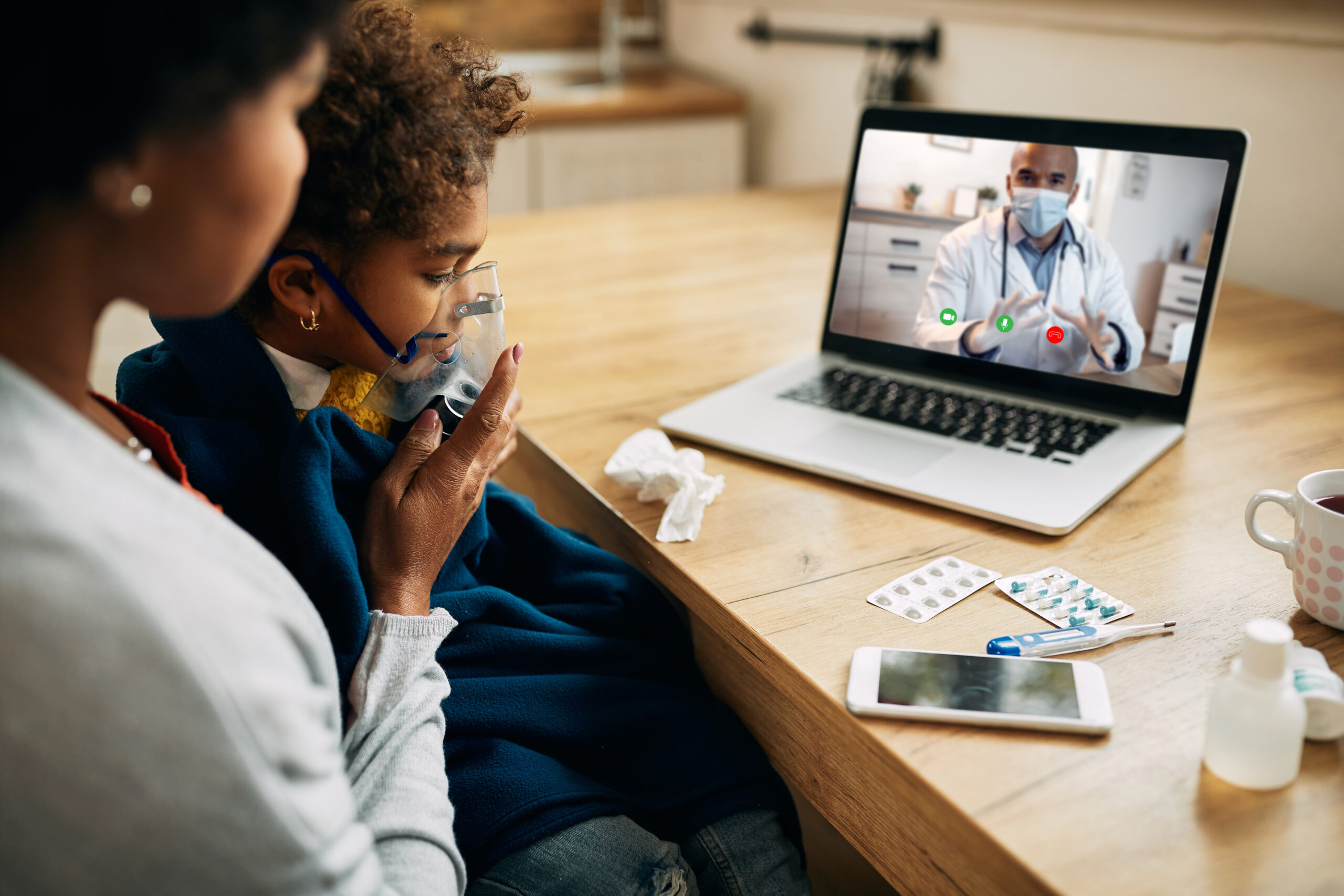
Telemedicine enables virtual consultations, remote monitoring, and ongoing support without in-person appointments. This approach improves access to care, especially in rural or underserved areas, and supports proactive management that prevents complications. As the global telehealth market grows rapidly, projected to exceed 175 billion dollars by 2026 and continue expanding, telemedicine plays a central role in chronic care worldwide.
Global Access Through Telemedicine
One of the biggest impacts of telemedicine is breaking down geographical barriers. Patients in remote villages or developing regions can connect with specialists they could never reach before. In many countries, virtual care has become standard for follow-ups and routine check-ins.
For example, patients with diabetes can share blood glucose readings from home devices during video calls. Doctors adjust medications or lifestyles in real time, leading to better control and fewer emergencies. Studies show telemedicine improves adherence to treatment plans and reduces hospital readmissions for chronic conditions.
In places with limited healthcare infrastructure, telemedicine bridges gaps. It allows consistent monitoring for hypertension patients who track blood pressure at home and receive timely advice. This global reach ensures more people manage their conditions effectively, regardless of location.
Key Benefits for Chronic Conditions
Telemedicine offers specific advantages for common chronic diseases.
For diabetes, continuous glucose monitors integrated with telehealth platforms provide real-time data. Predictive alerts help avoid dangerous lows or highs, and virtual coaching supports diet and exercise changes. Research indicates better glucose control and weight management with these tools.
Hypertension patients benefit from remote blood pressure tracking. Regular virtual check-ins encourage medication adherence and lifestyle adjustments, often resulting in lower readings and reduced cardiovascular risks.
COPD management improves with remote monitoring of oxygen levels and symptoms. Early detection of exacerbations prevents severe flare-ups and hospital stays. Telemedicine also includes virtual pulmonary rehabilitation, helping patients maintain lung function from home.
Across these conditions, telemedicine reduces costs by minimizing travel and emergency visits. It boosts patient engagement through convenient access and personalized plans, leading to higher satisfaction and better long-term outcomes.
The Role of Remote Patient Monitoring and Technology
Remote patient monitoring, powered by wearables and connected devices, is a cornerstone of modern telemedicine. In 2026, these tools send vital signs directly to clinicians, enabling proactive interventions.
AI enhancements analyze trends and flag risks early. For chronic care, this means shifting from reactive treatment to prevention. Wearables track activity, sleep, and vitals, giving a fuller picture of health.
Telemedicine platforms integrate these features seamlessly. Patients feel empowered with easy access to their data and direct communication with providers.
Challenges and the Path Forward
While telemedicine revolutionizes care, challenges remain. Digital literacy, internet access, and device affordability affect adoption in some regions. Privacy concerns and regulatory differences across countries require careful navigation.
However, ongoing advancements address these issues. Governments and organizations promote infrastructure improvements and standardized guidelines. Reimbursement policies increasingly support virtual care, encouraging wider use.
How Doccure Supports This Revolution
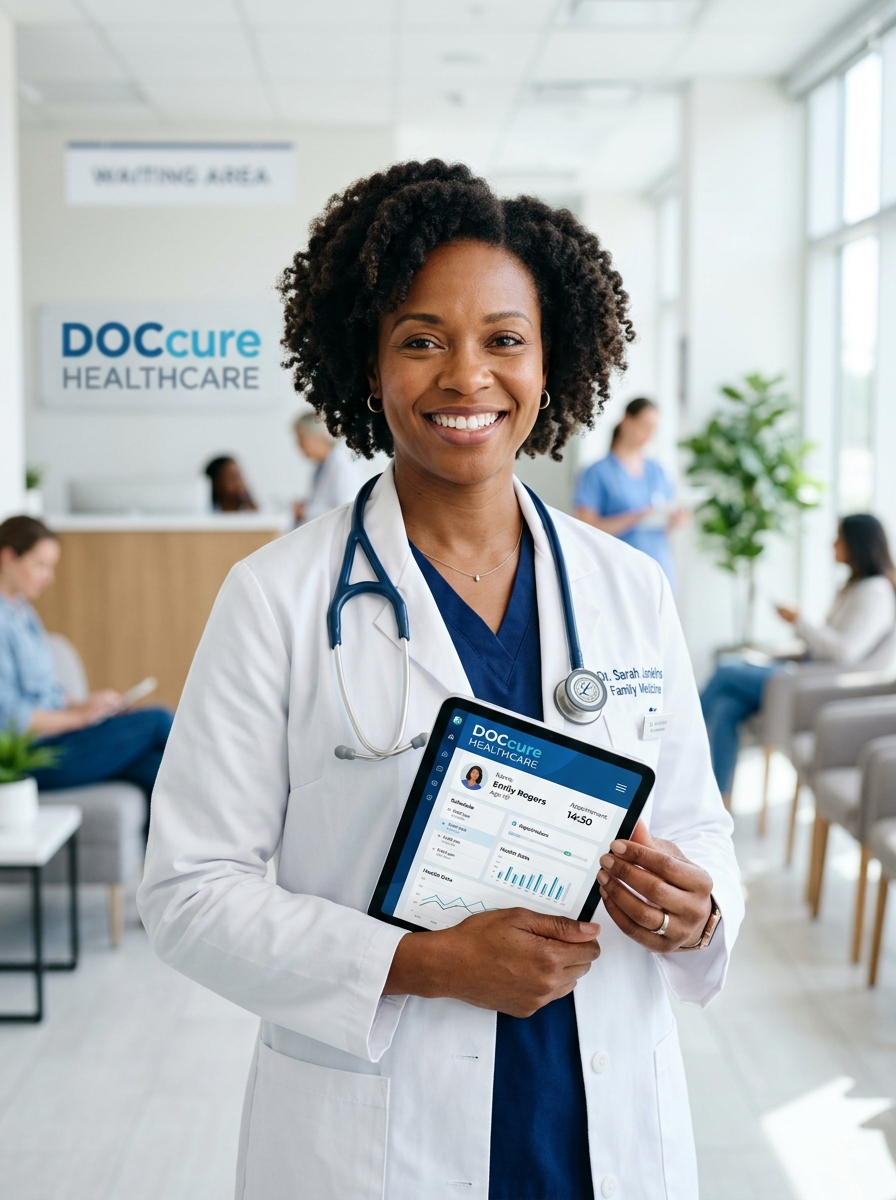
Doccure offers a comprehensive telemedicine platform tailored for chronic disease management. With white-label features, clinics and doctors can launch branded apps and services that feel personal and professional.
Patients access virtual consultations, share monitoring data, and receive e-prescriptions through a seamless interface. Doccure supports integration with wearables and ABDM compliance in India, while its global-ready design suits international needs.
The platform’s multi-branch capabilities help chains manage patients across locations consistently. Branded patient apps keep users engaged with reminders, records, and direct messaging.
In 2026, telemedicine continues to evolve, driven by technology and patient demand. It makes chronic disease management more accessible, efficient, and effective worldwide.
Clinics adopting platforms like Doccure position themselves at the forefront of this change. They deliver high-quality care that improves lives and builds lasting patient relationships.
If you are a healthcare provider looking to enhance chronic care through telemedicine, explore how Doccure’s white-label solutions can transform your practice.