Daily Check-Ins
Automated daily questionnaires—pain level (0-10 scale), nausea, bowel function, activity tolerance, wound status. Patients upload photos of surgical site. Video option for patients to show symptoms (e.g., swelling, drainage). Symptom trends tracked—worsening pain may indicate infection.
Daily Check-Ins
Automated daily questionnaires—pain level (0-10 scale), nausea, bowel function, activity tolerance, wound status. Patients upload photos of surgical site. Video option for patients to show symptoms (e.g., swelling, drainage). Symptom trends tracked—worsening pain may indicate infection.
Vital Signs Monitoring
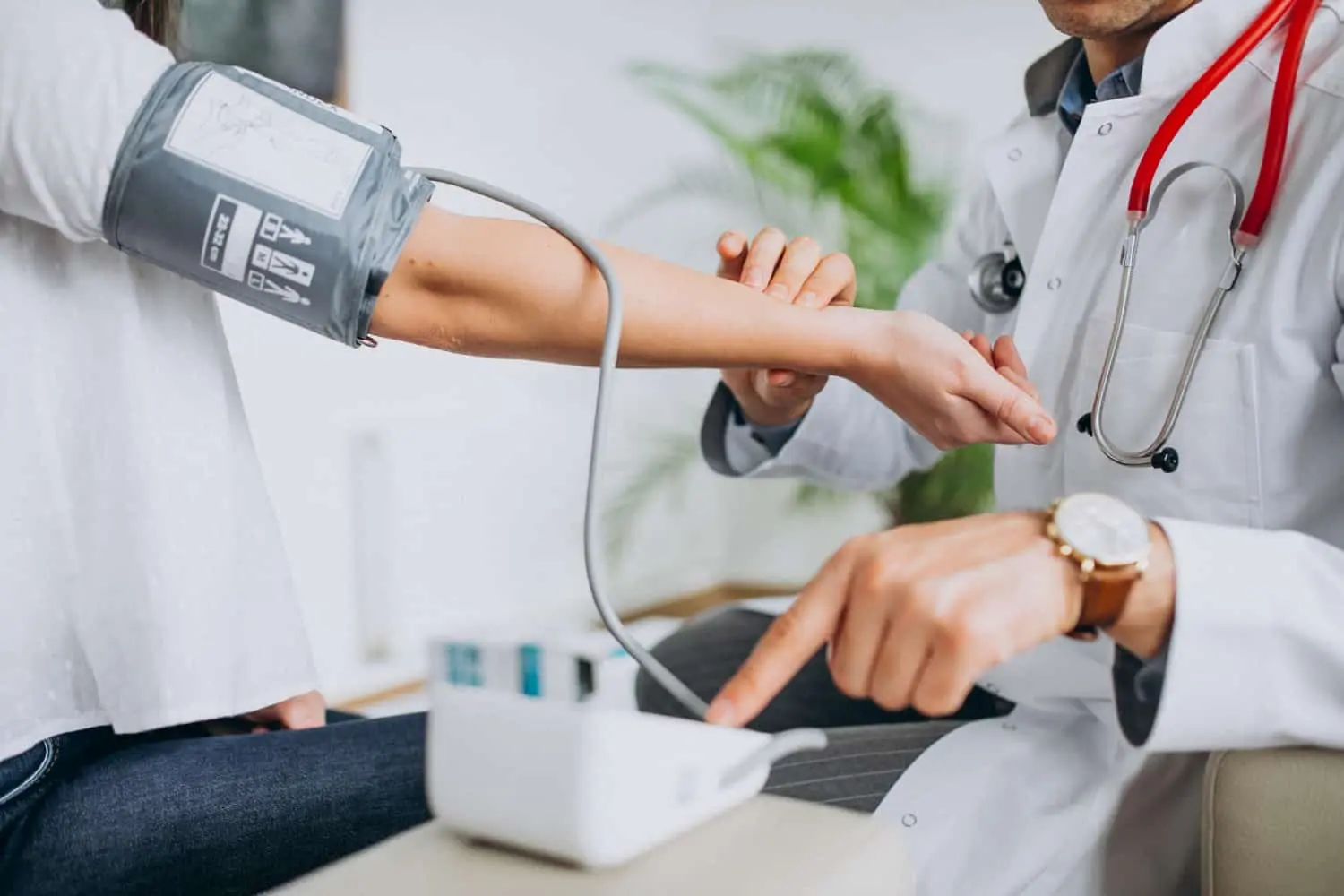
IoT devices issued at discharge—thermometer (fever = infection), pulse oximeter (respiratory complications), BP monitor (cardiac surgery), weight scale (fluid retention). Daily measurements auto-transmitted to surgical team. Abnormal readings trigger alerts to surgeon
Vital Signs Monitoring
IoT devices issued at discharge—thermometer (fever = infection), pulse oximeter (respiratory complications), BP monitor (cardiac surgery), weight scale (fluid retention). Daily measurements auto-transmitted to surgical team. Abnormal readings trigger alerts to surgeon
Complication Detection
AI analyzes symptoms, vitals, wound photos to detect early warning signs. Common complications: surgical site infection (fever, wound redness/drainage), pneumonia (shortness of breath, cough), blood clots (leg swelling, chest pain), cardiac arrhythmias (irregular pulse, palpitations). Early detection enables intervention before patient deteriorates—oral antibiotics vs. hospitalization for IV antibiotics.
Complication Detection
AI analyzes symptoms, vitals, wound photos to detect early warning signs. Common complications: surgical site infection (fever, wound redness/drainage), pneumonia (shortness of breath, cough), blood clots (leg swelling, chest pain), cardiac arrhythmias (irregular pulse, palpitations). Early detection enables intervention before patient deteriorates—oral antibiotics vs. hospitalization for IV antibiotics.
Medication Management
E-prescriptions for post-op pain medications, antibiotics, anti-nausea, stool softeners. Refill requests via app (no calling pharmacy). Tapering schedules for opioids (prevent addiction). Drug interaction checking (many post-op patients on multiple new medications)
Medication Management
E-prescriptions for post-op pain medications, antibiotics, anti-nausea, stool softeners. Refill requests via app (no calling pharmacy). Tapering schedules for opioids (prevent addiction). Drug interaction checking (many post-op patients on multiple new medications)
Physical Therapy Integration
Home PT exercises demonstrated via video library. Patients record videos of themselves doing exercises (PT confirms proper technique). Progress tracking—range of motion, pain with activity, functional milestones. Telemedicine PT sessions supplement in-person therapy
Physical Therapy Integration
Home PT exercises demonstrated via video library. Patients record videos of themselves doing exercises (PT confirms proper technique). Progress tracking—range of motion, pain with activity, functional milestones. Telemedicine PT sessions supplement in-person therapy
Readmission Prevention:
30-day readmission rate is key quality metric and financial penalty. Remote monitoring reduces readmissions 35-50%. Identify complications early when treatable at home vs. requiring hospitalization. Cost savings: $15,000 hospitalization avoided with $200 remote monitoring investment
Readmission Prevention:
30-day readmission rate is key quality metric and financial penalty. Remote monitoring reduces readmissions 35-50%. Identify complications early when treatable at home vs. requiring hospitalization. Cost savings: $15,000 hospitalization avoided with $200 remote monitoring investment